



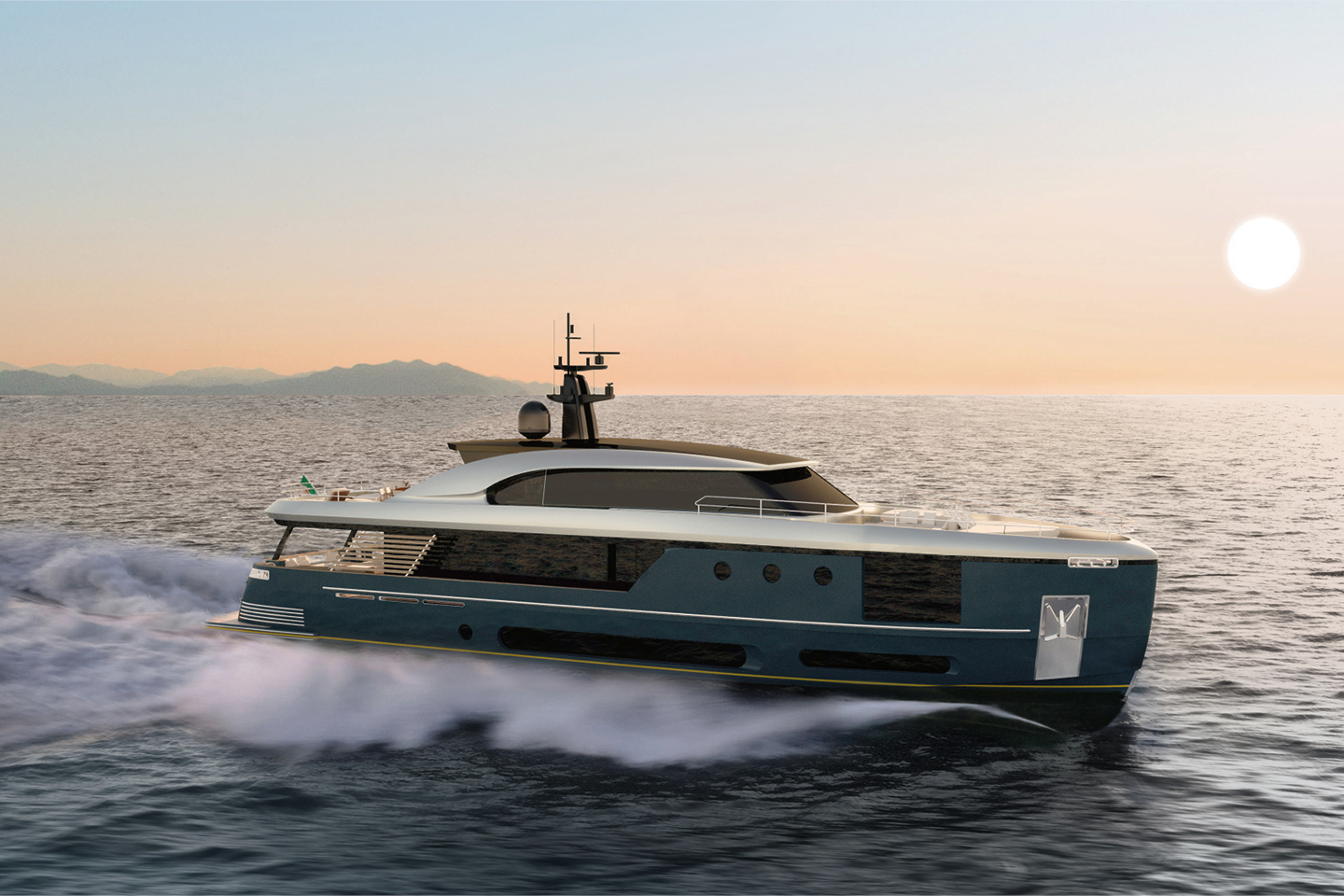
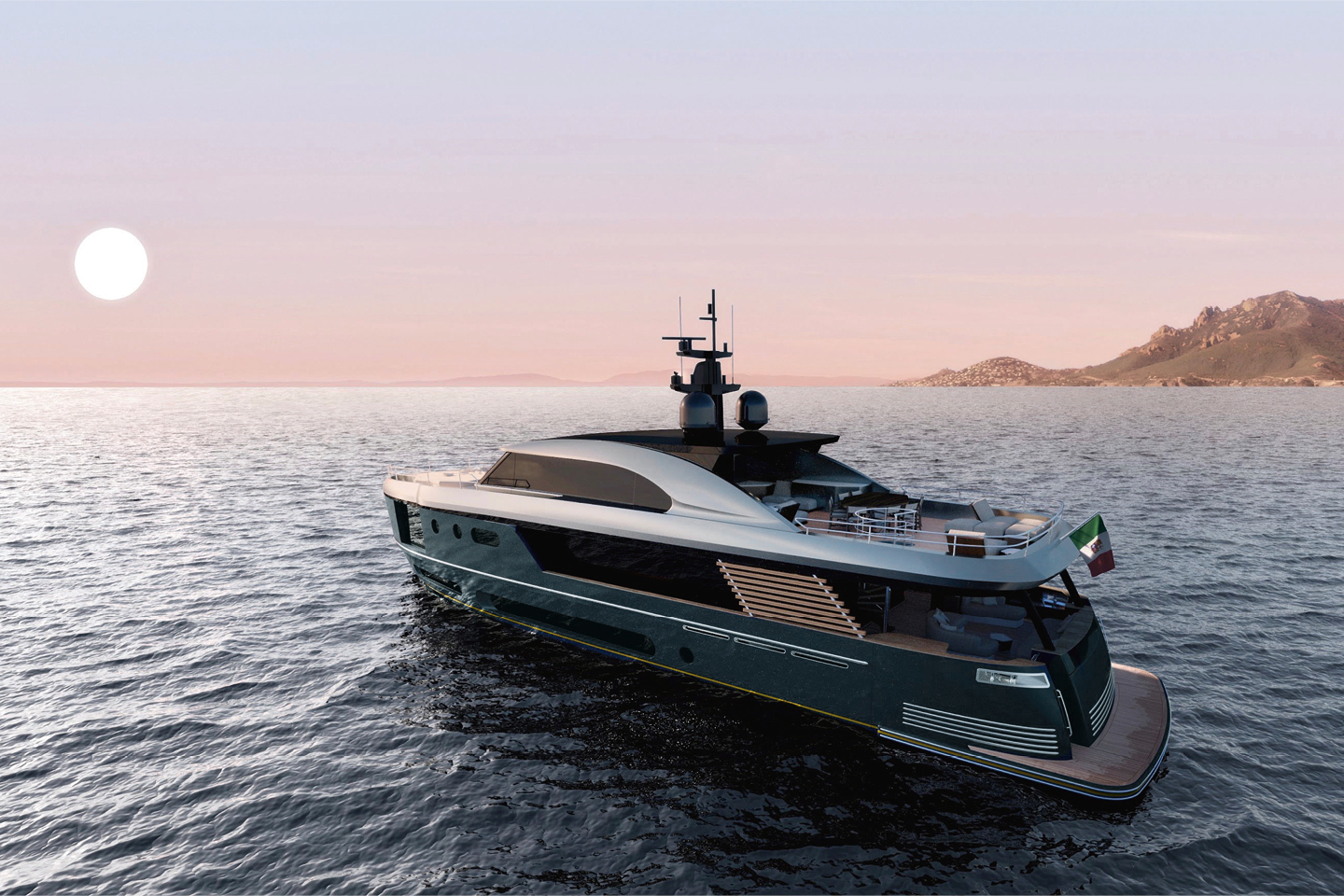


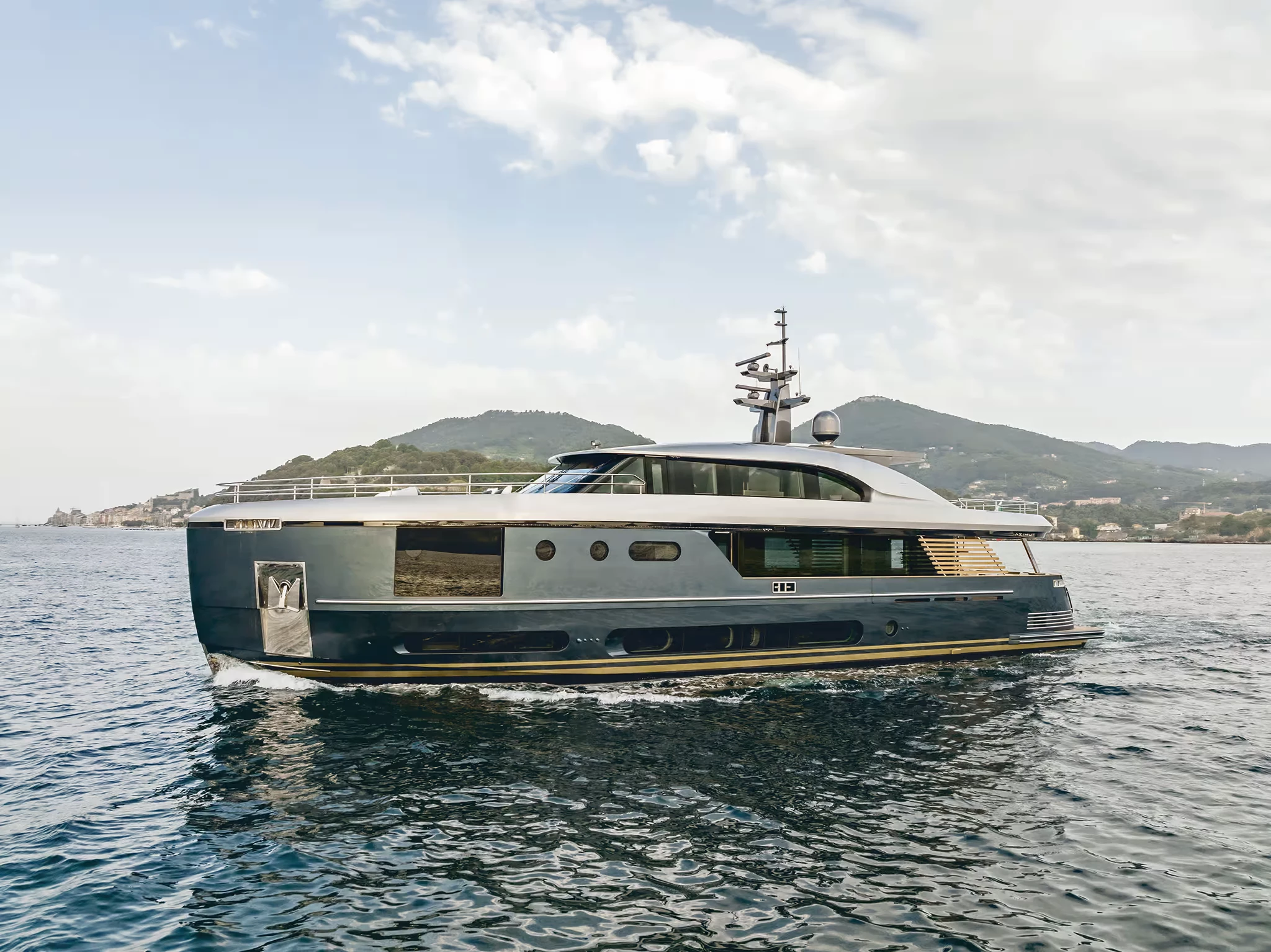
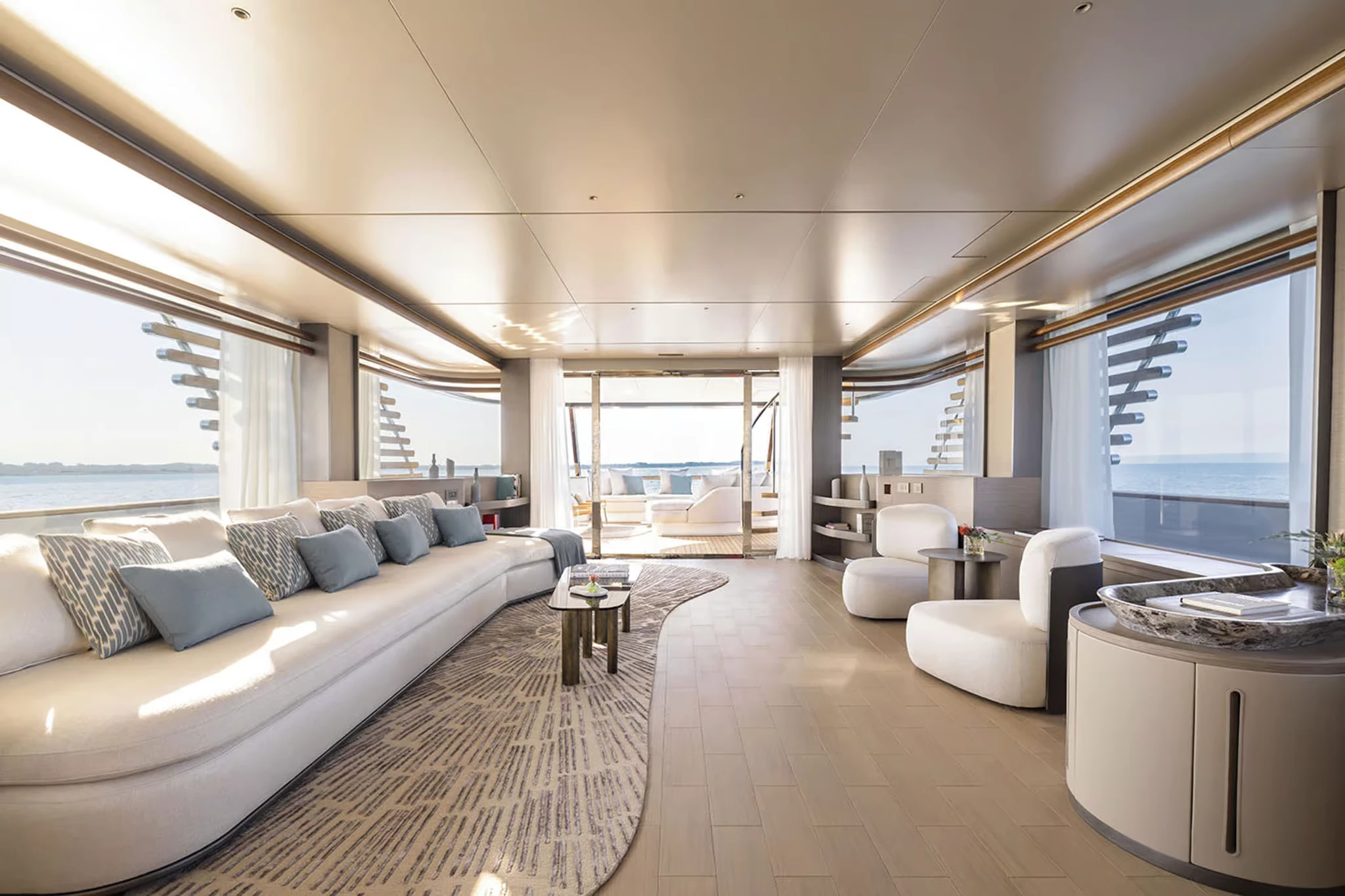
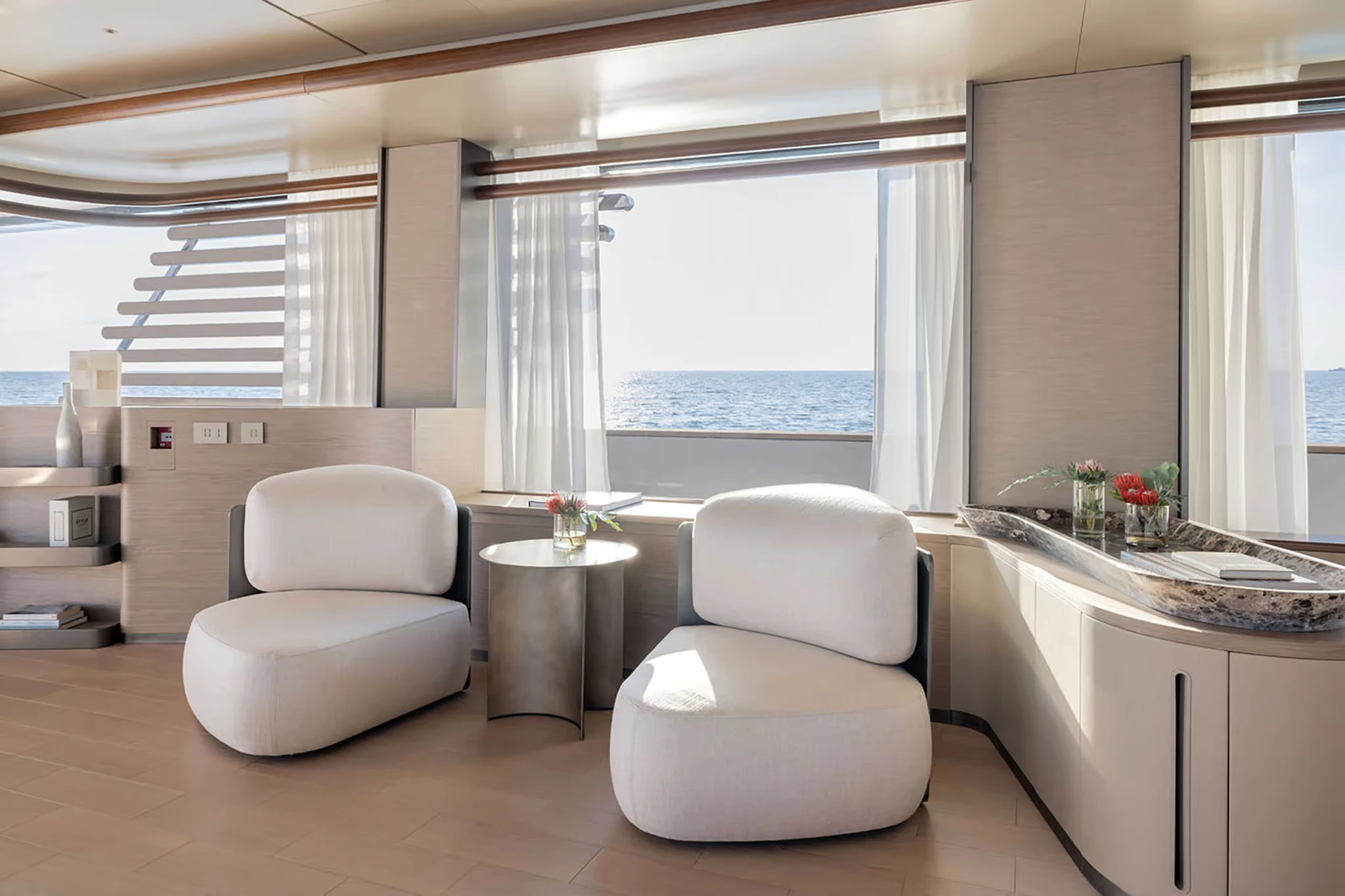
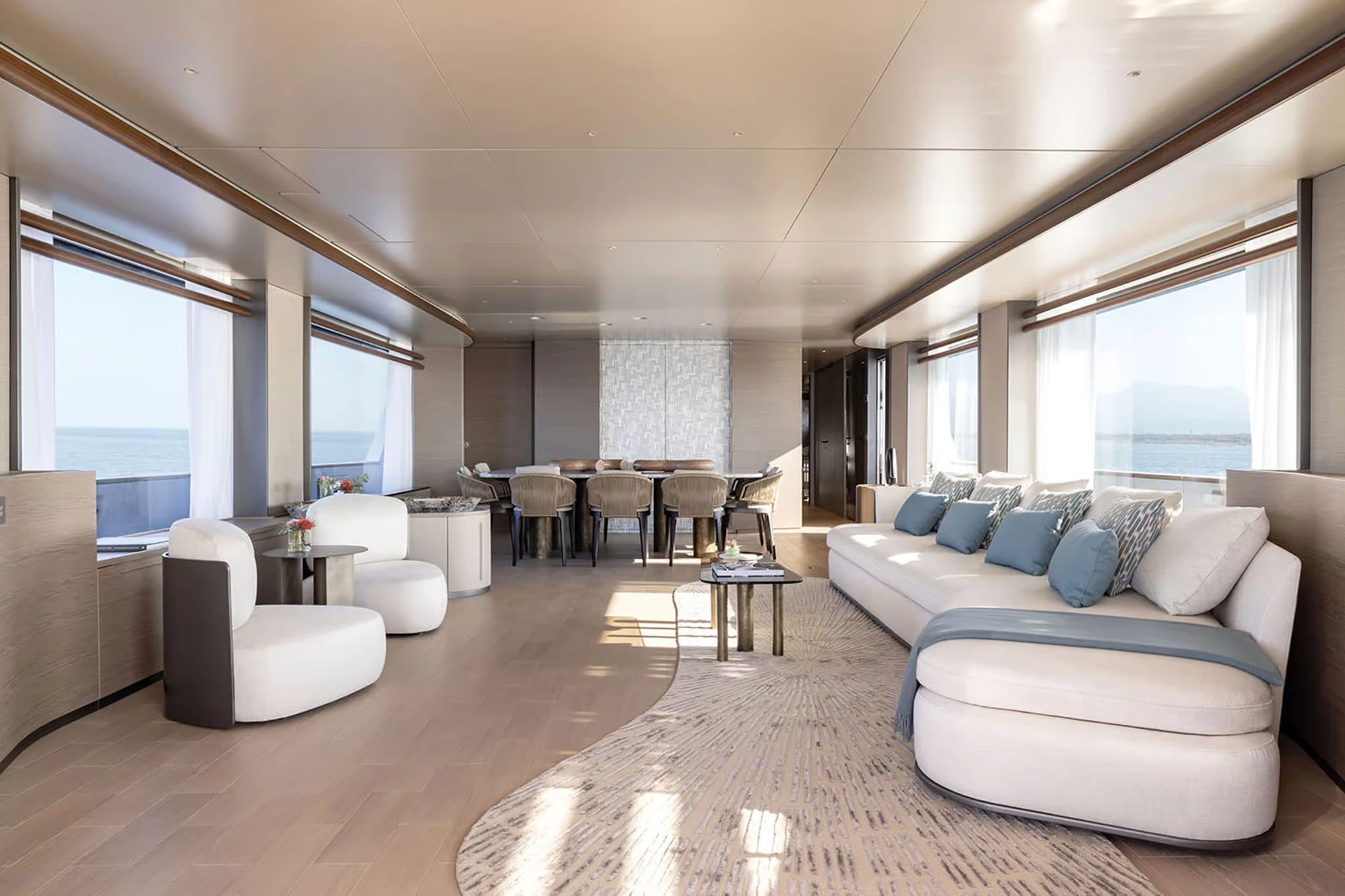
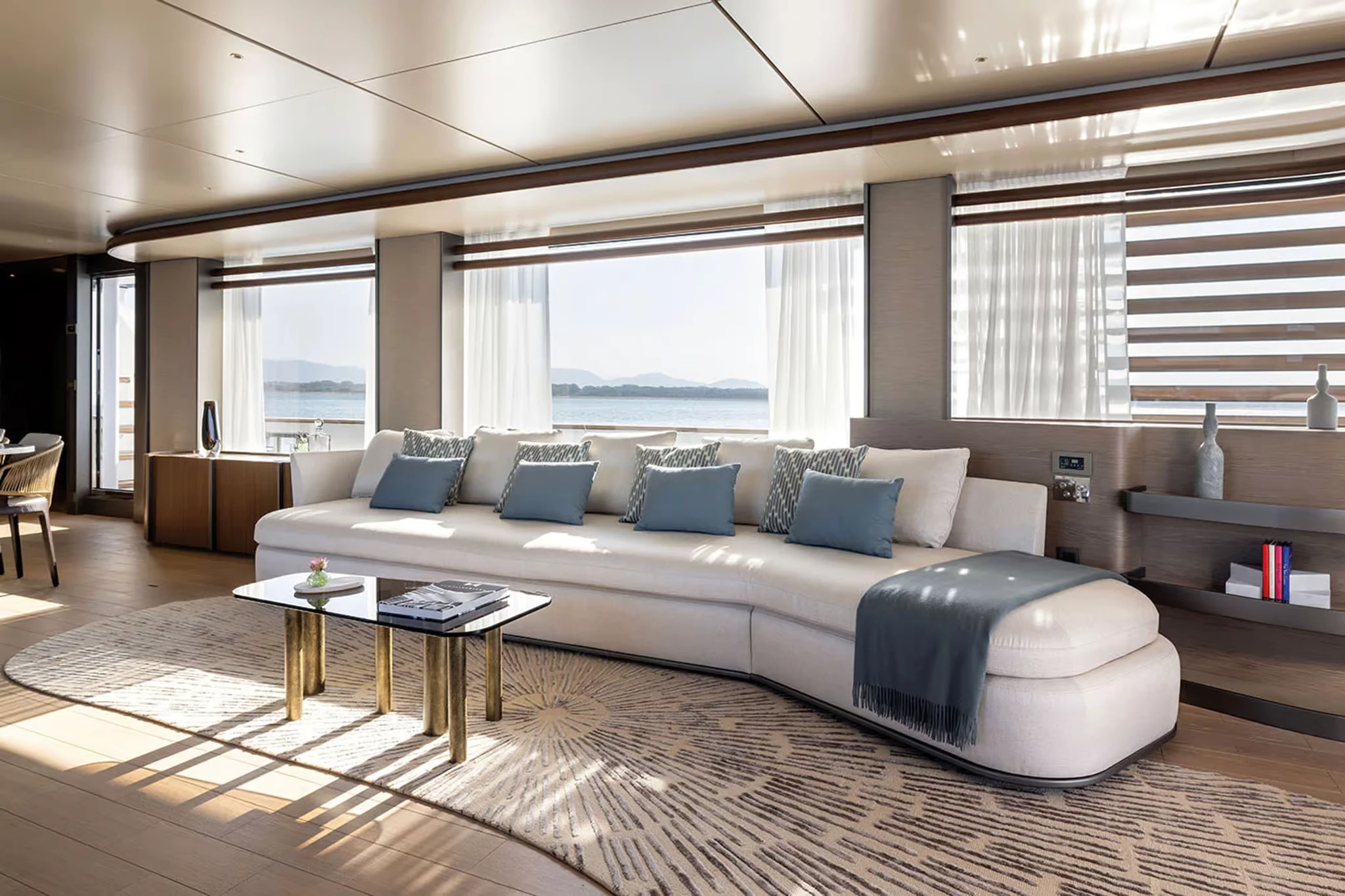
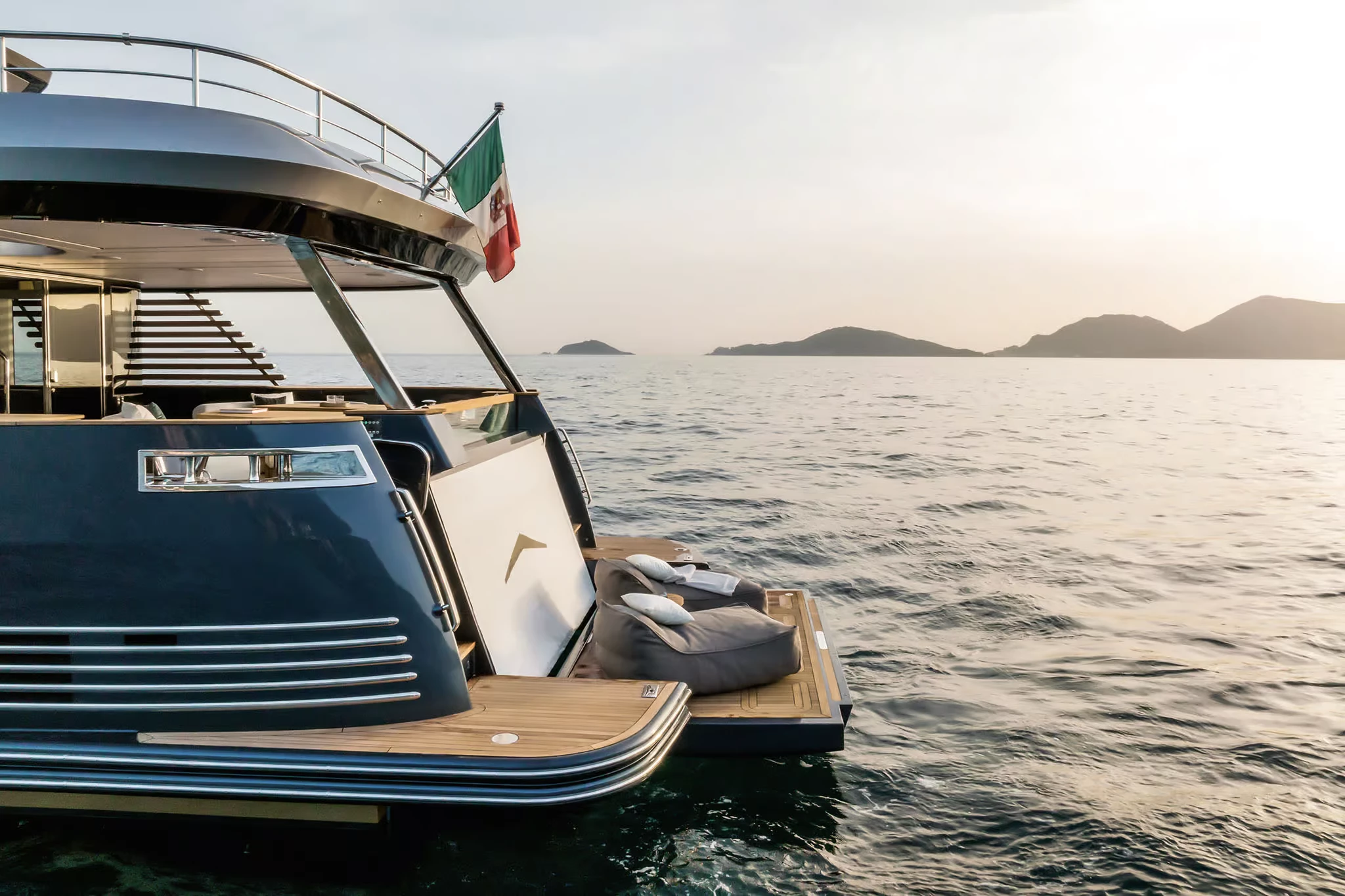
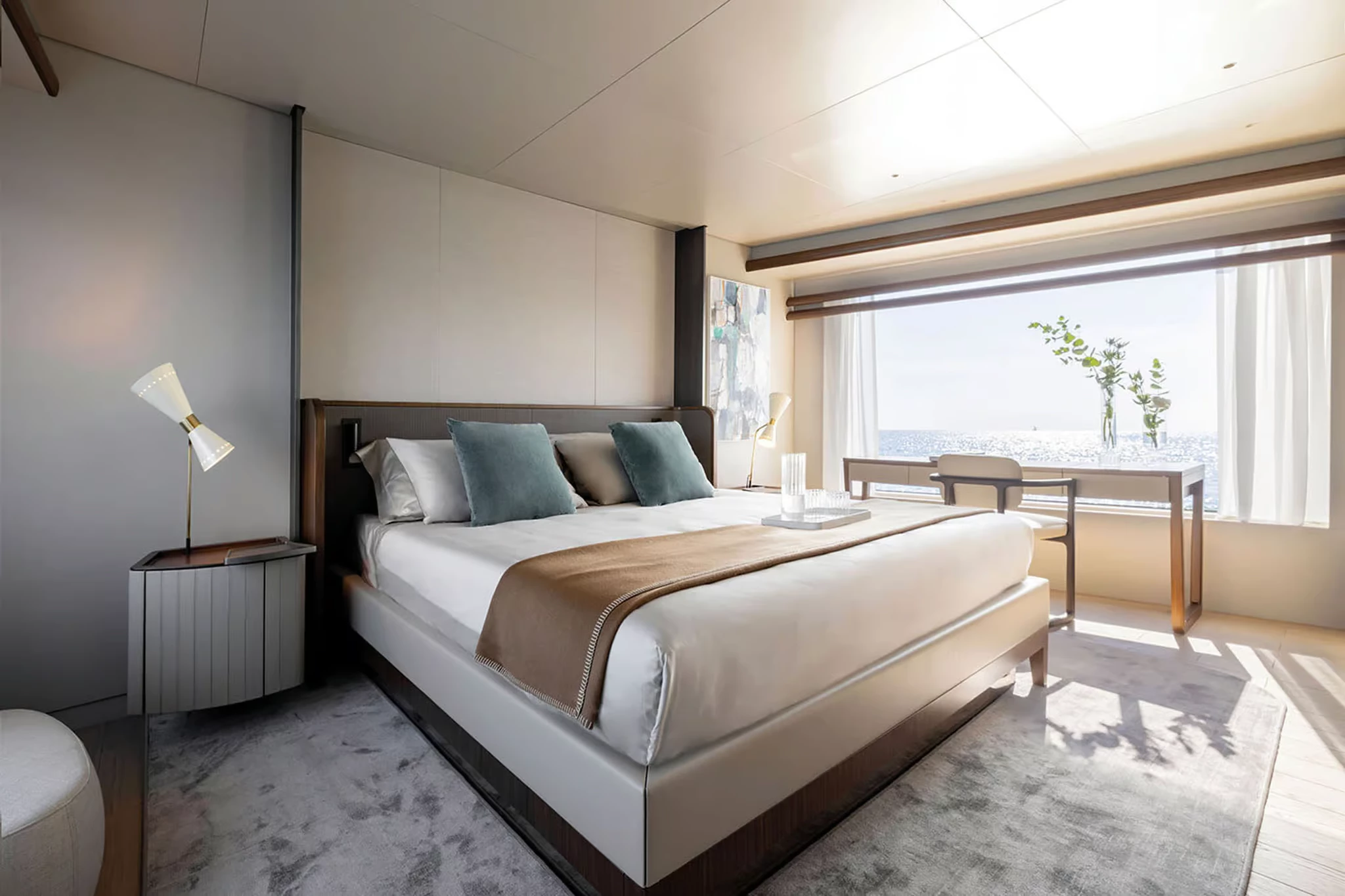
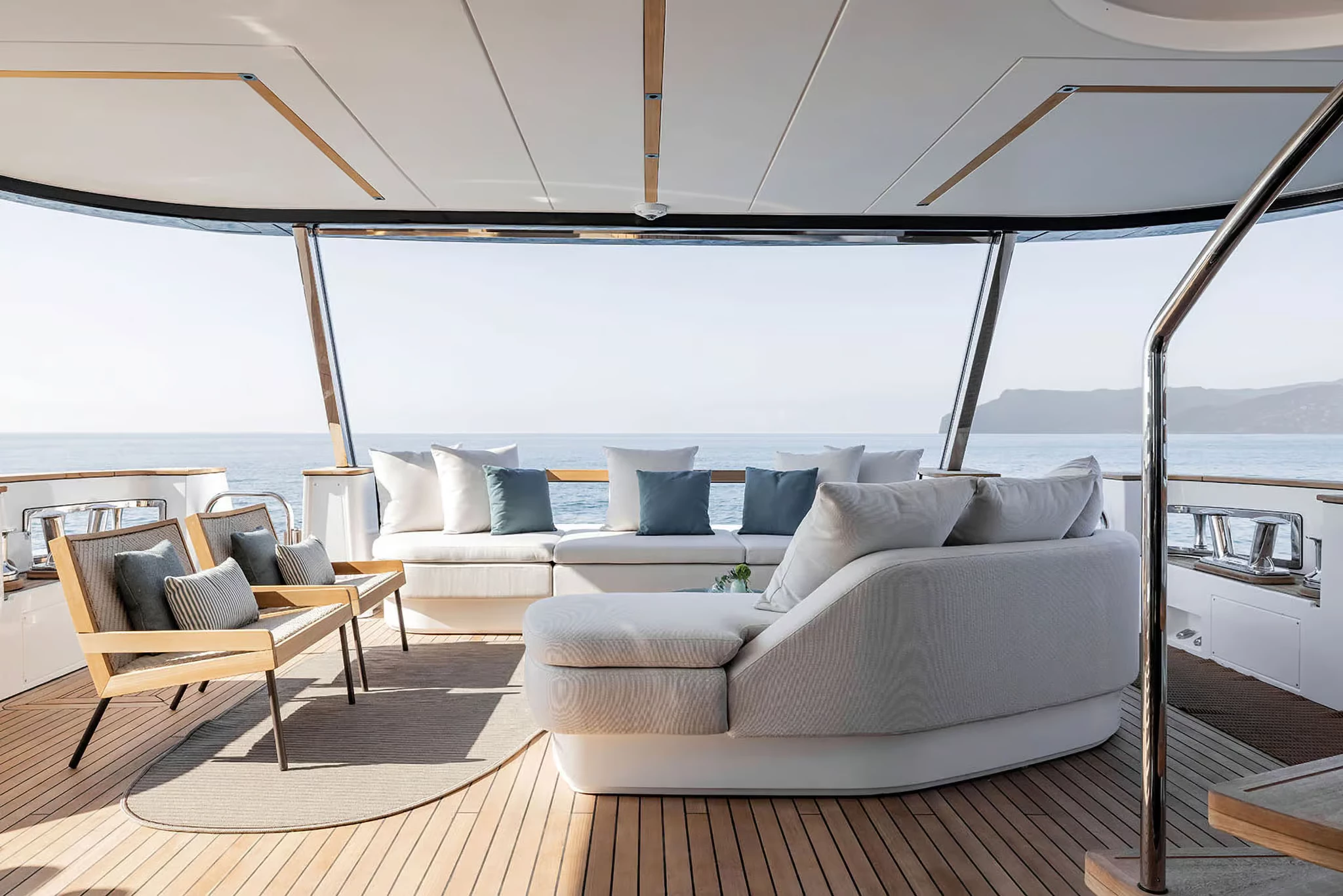
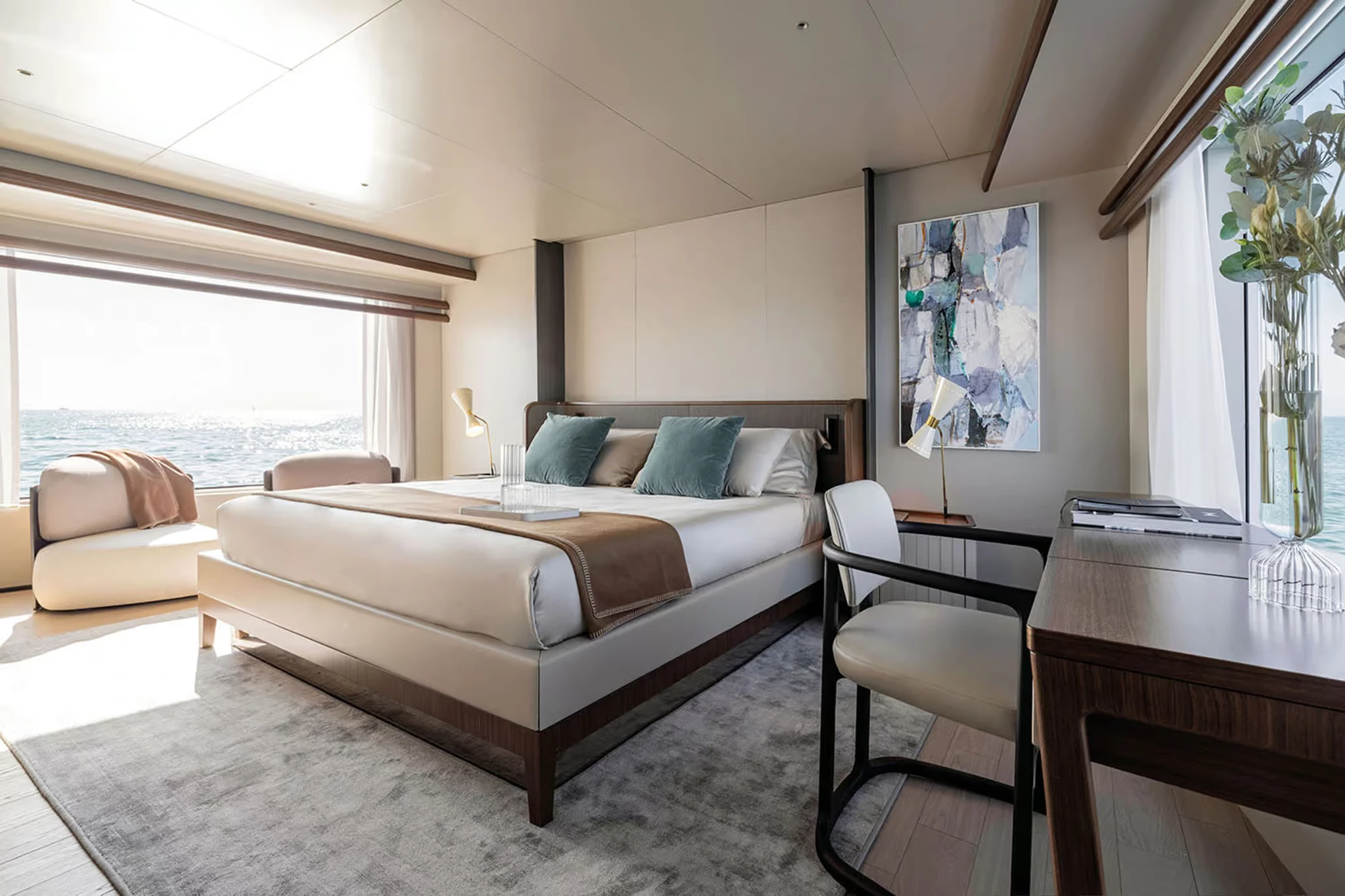
The Azimut Magellano 30 M stands as the flagship of the Magellano line, embodying the concept of the long-range “crossover” yacht.
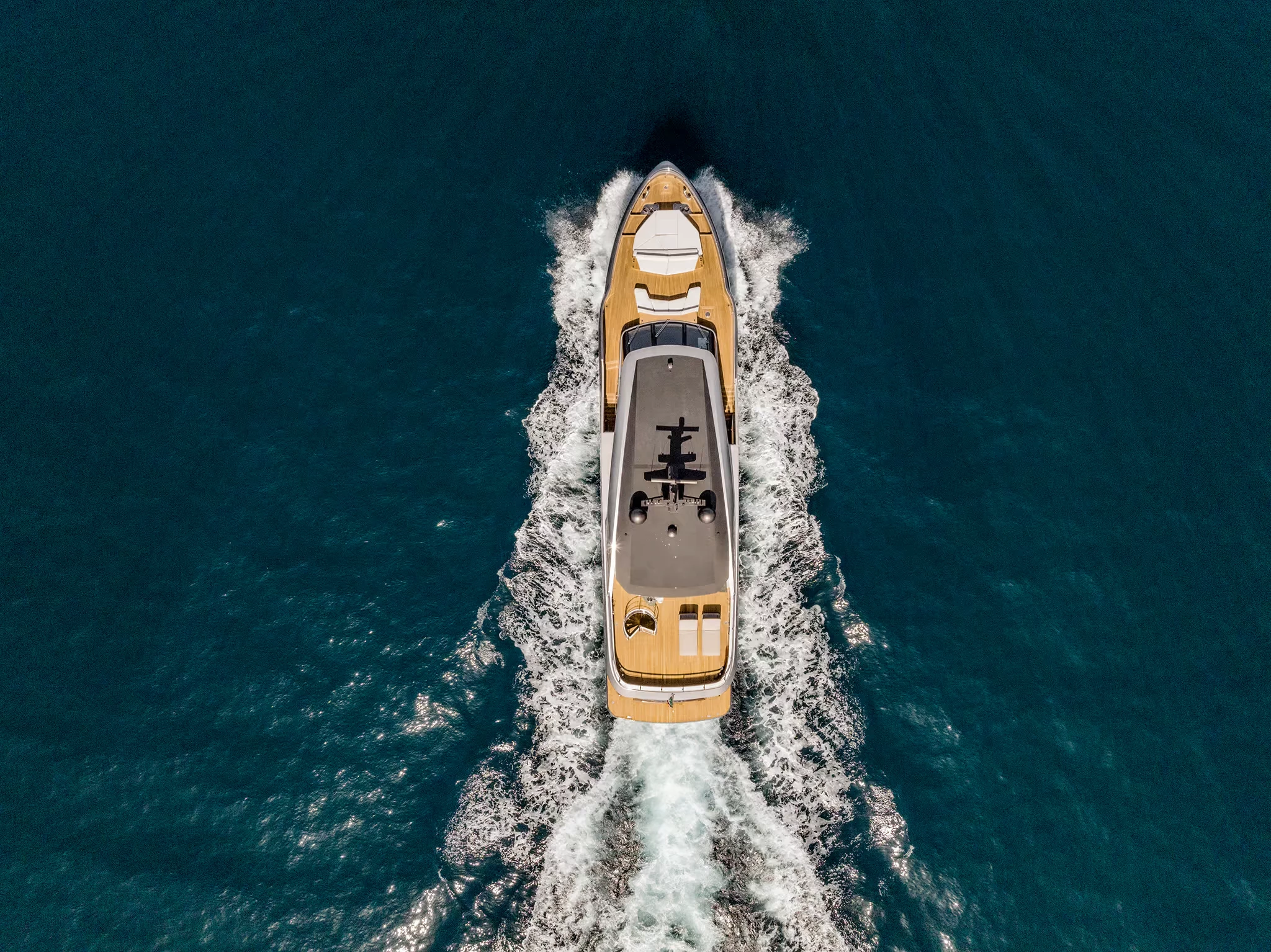
Designed by Ken Freivokh with interiors by Yachtique, it brings together robust seakeeping, contemporary style, and an emphasis on efficiency. Its semi-displacement “dual mode” hull gives the yacht versatility across a wide range of speeds, combining low fuel consumption at displacement pace with the ability to reach over 20 knots when performance is desired. This makes it equally suited to transiting between distant harbors and to relaxed coastal cruising.
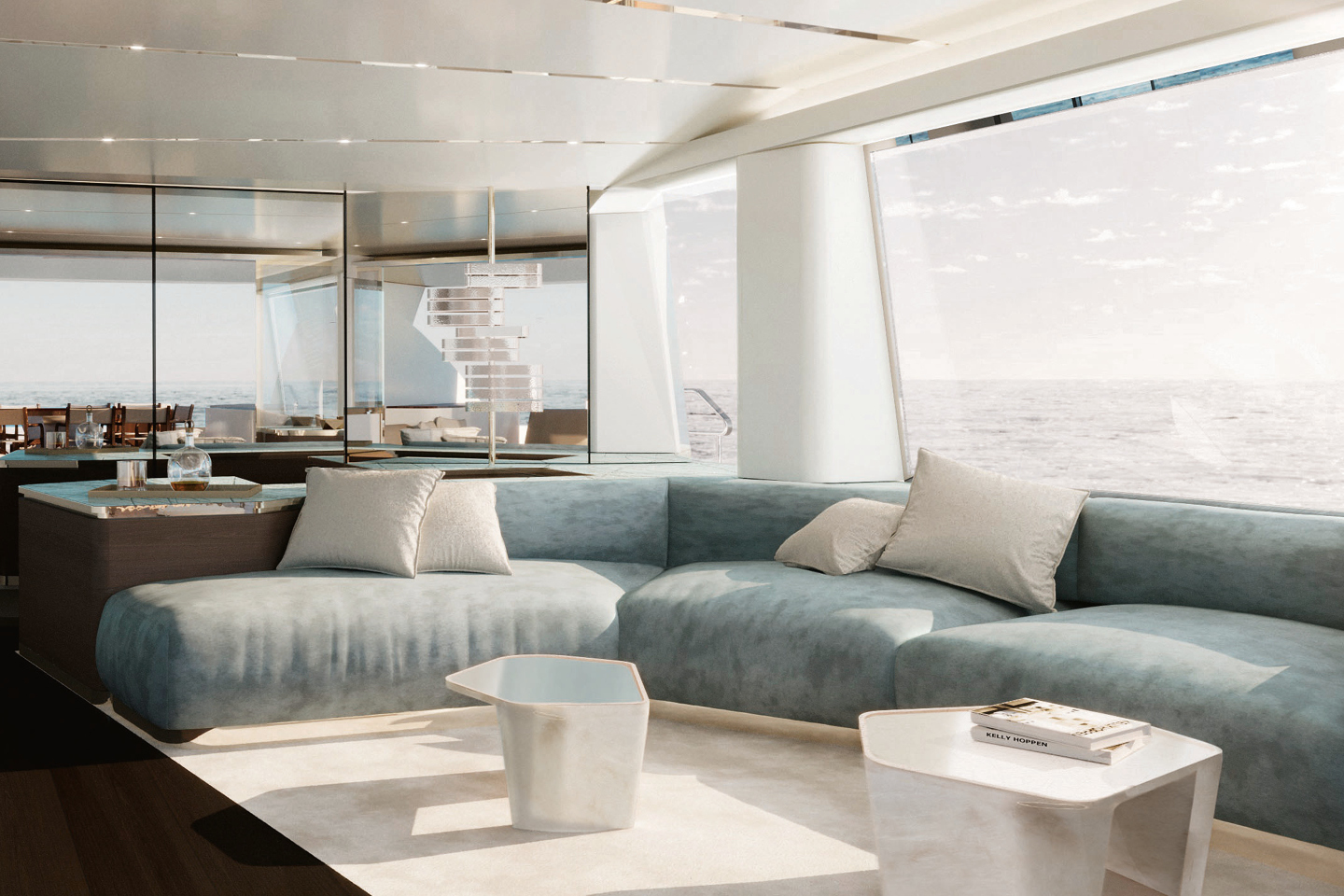
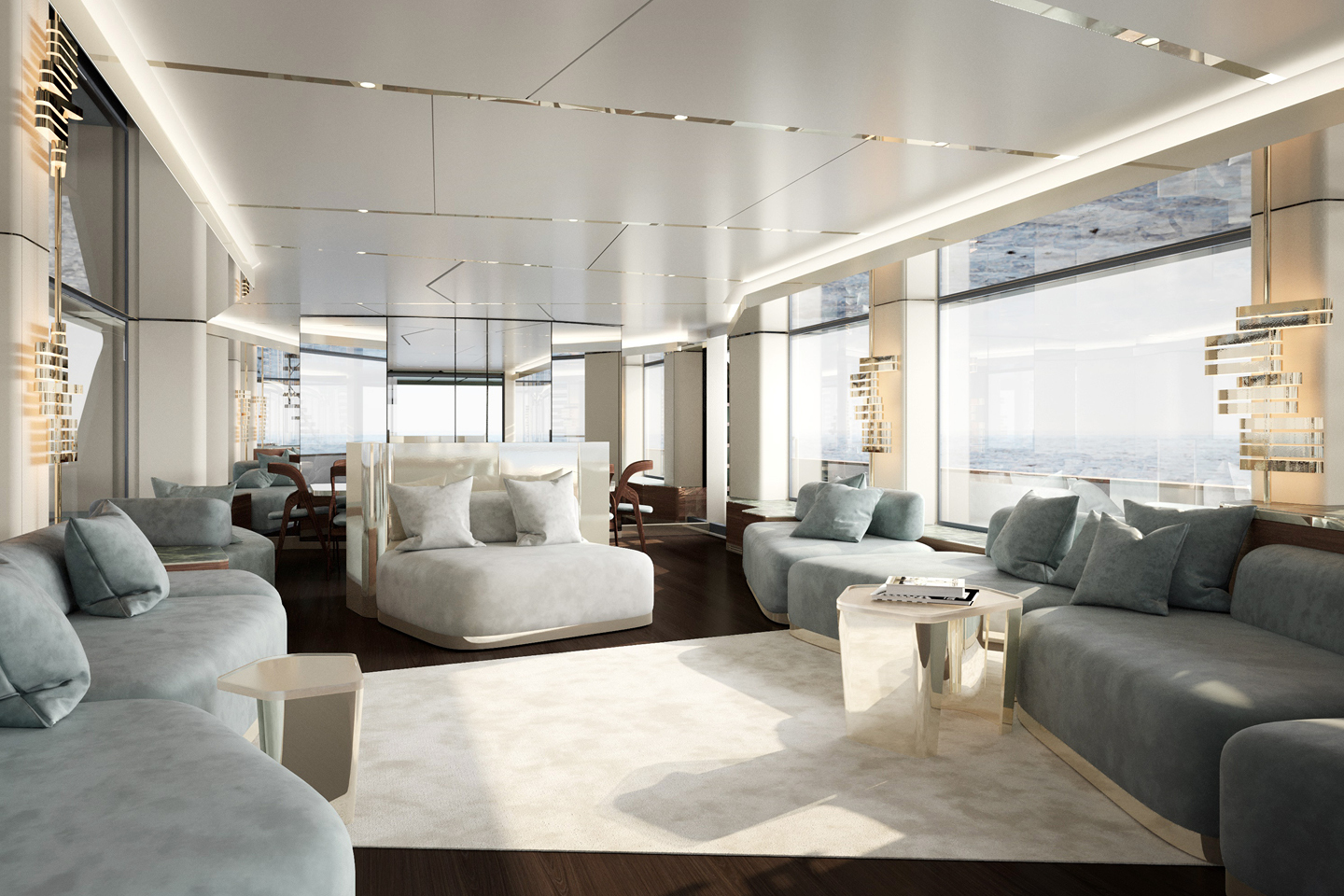
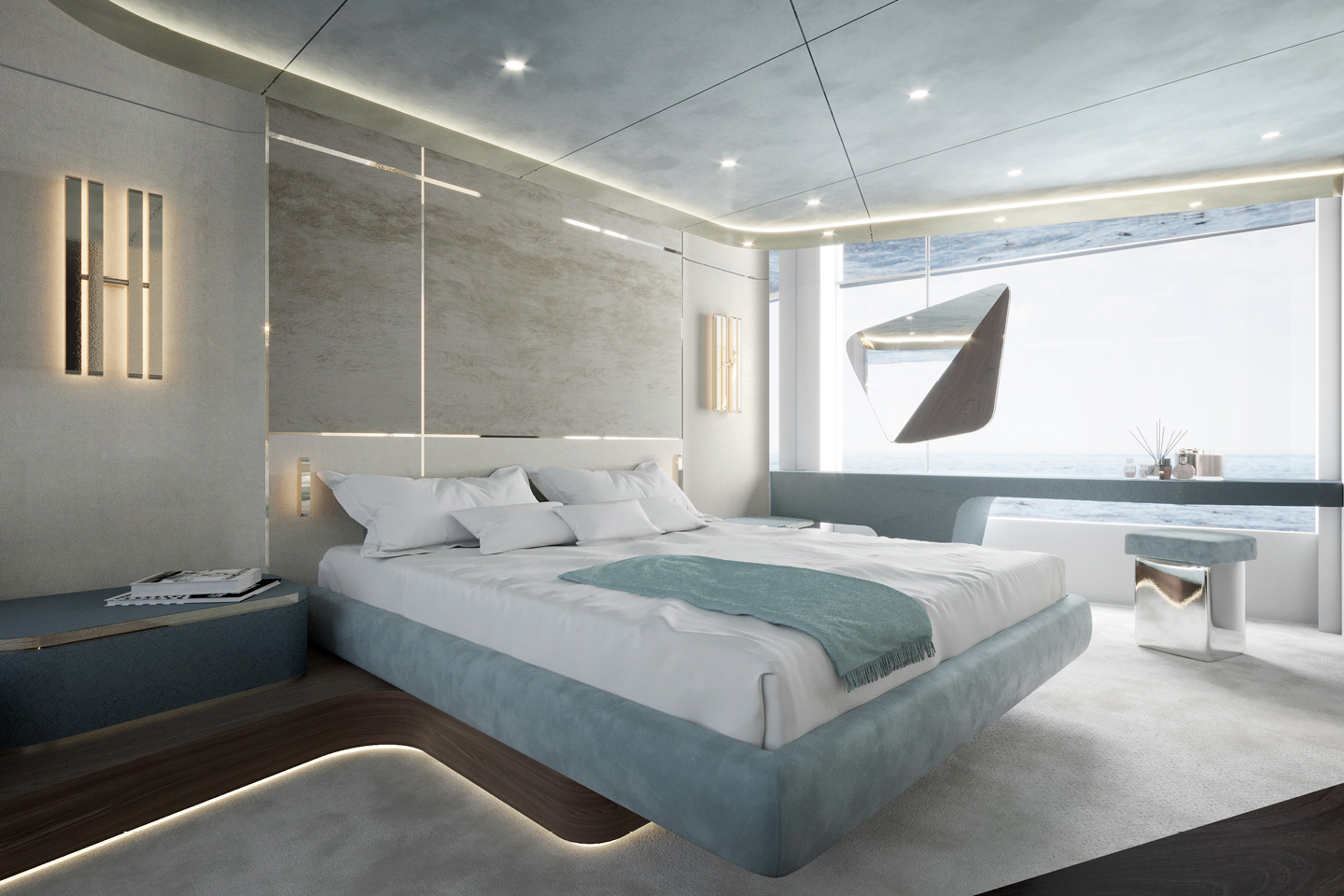
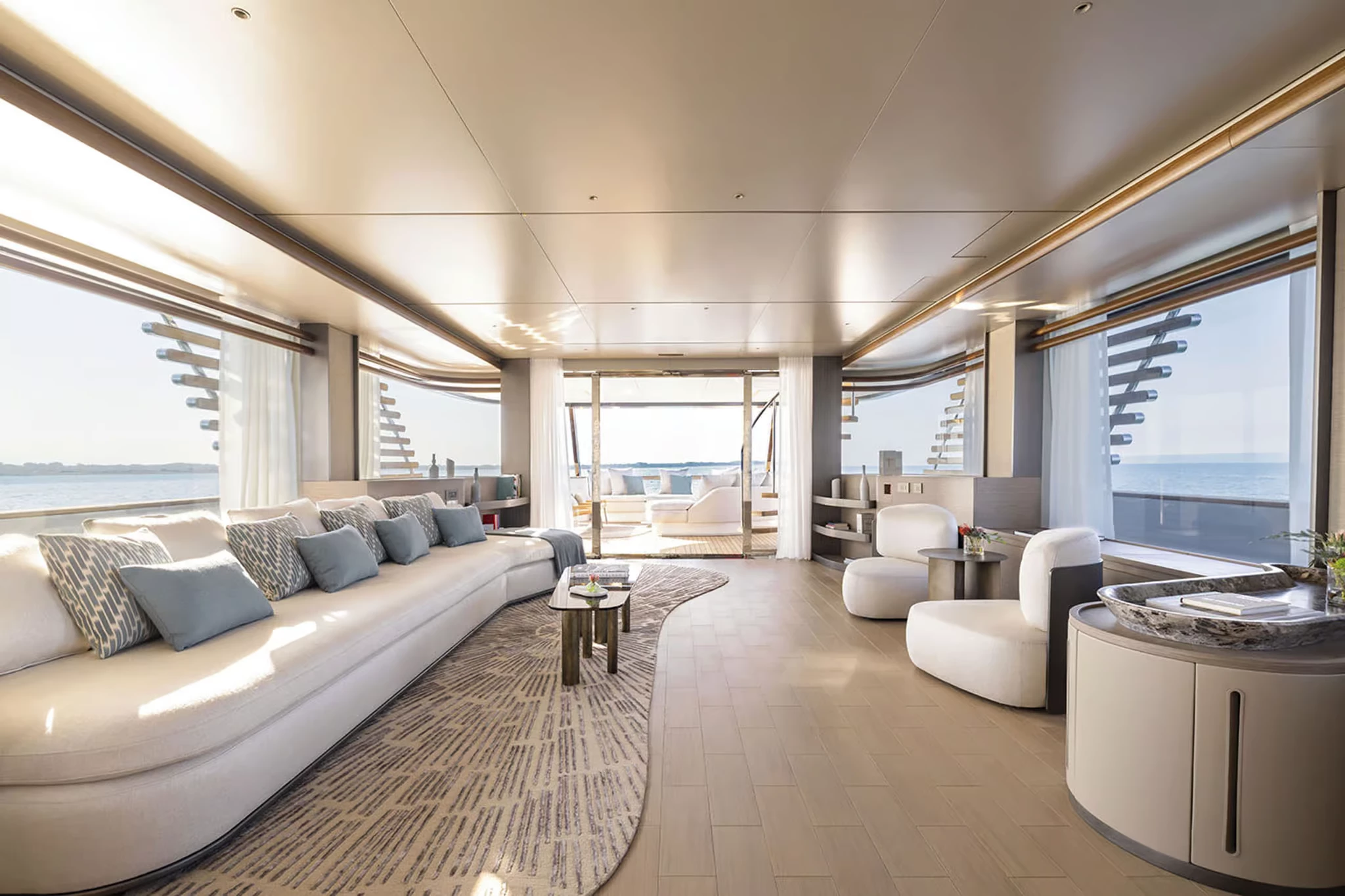
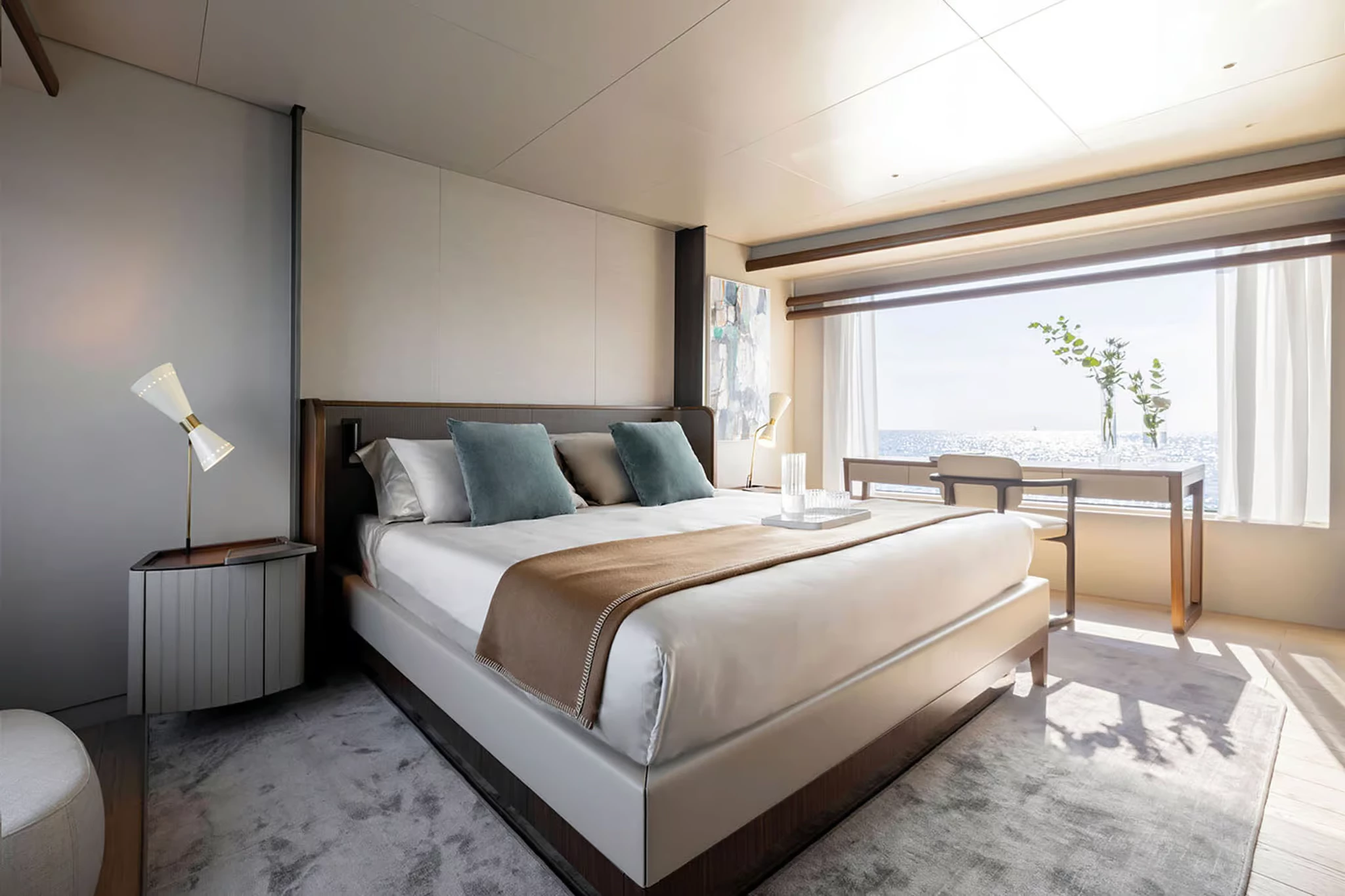
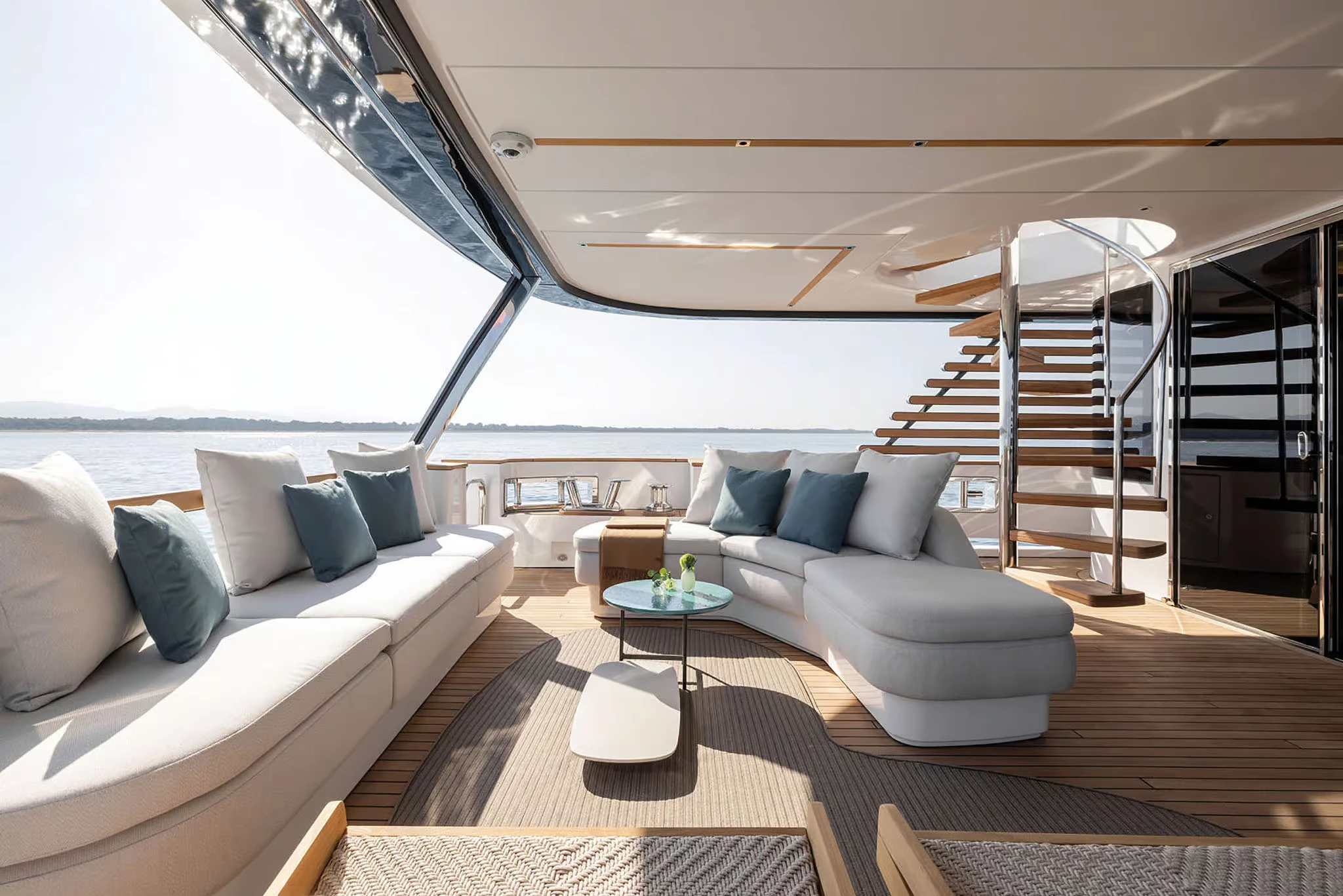
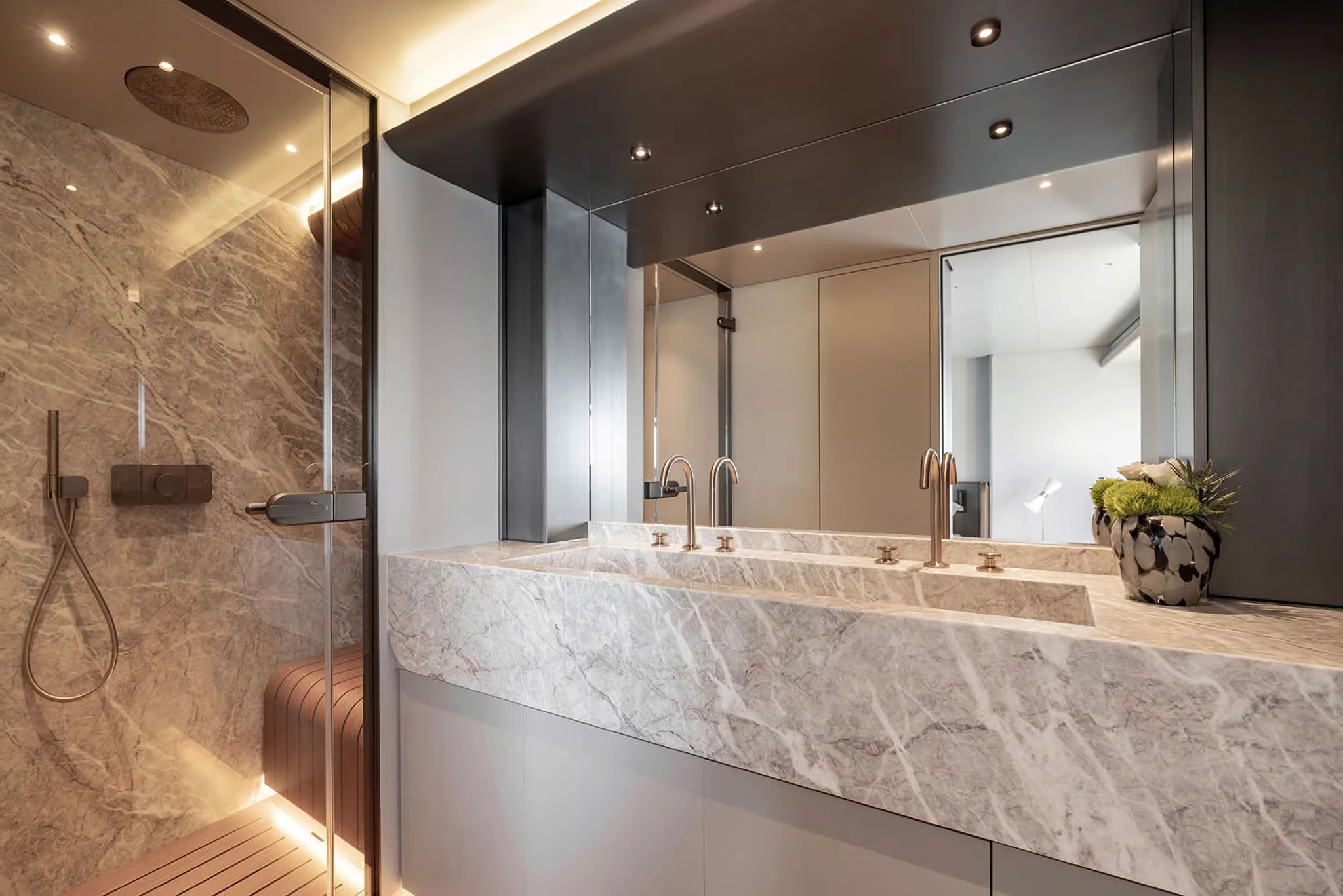
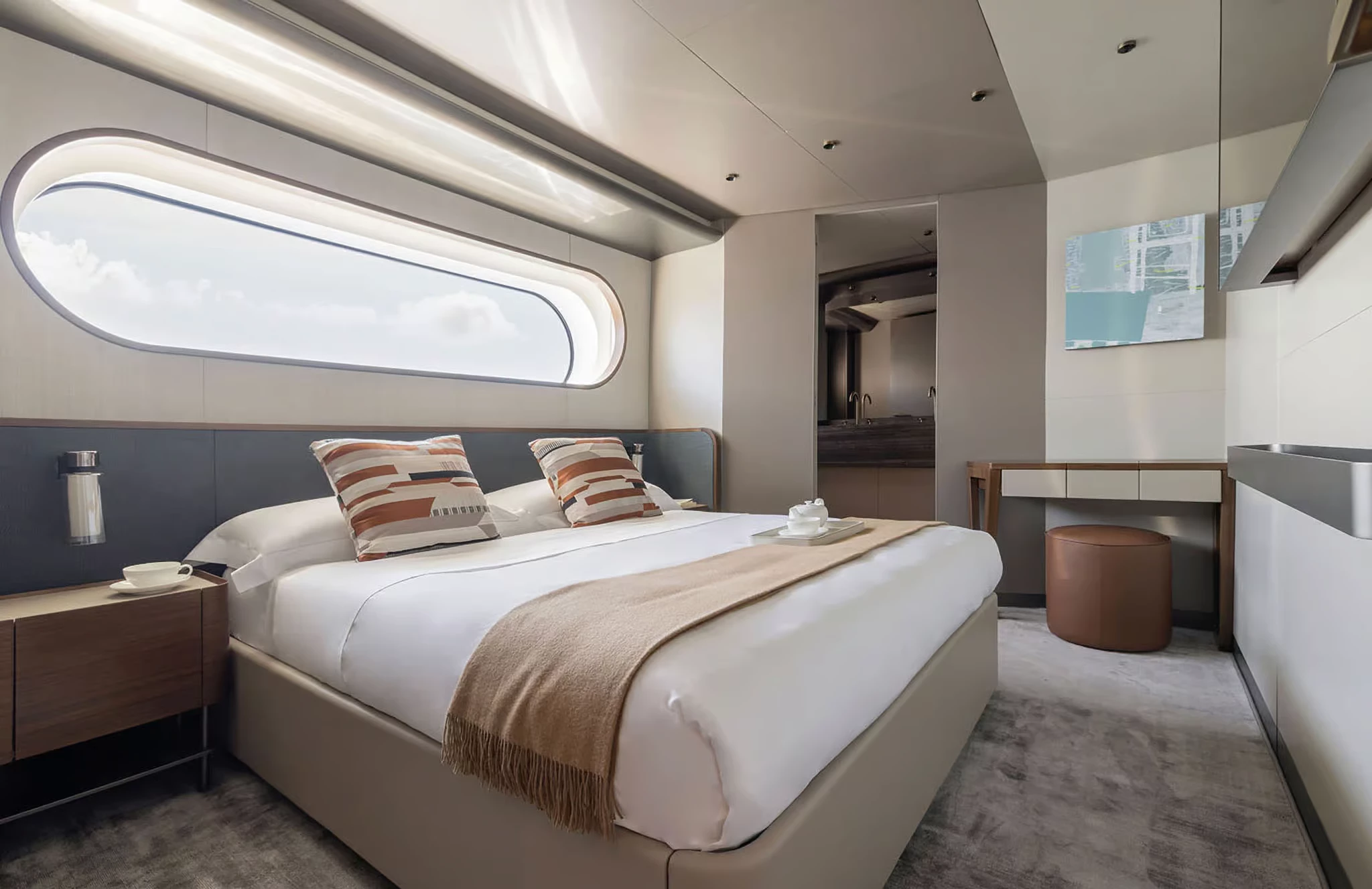
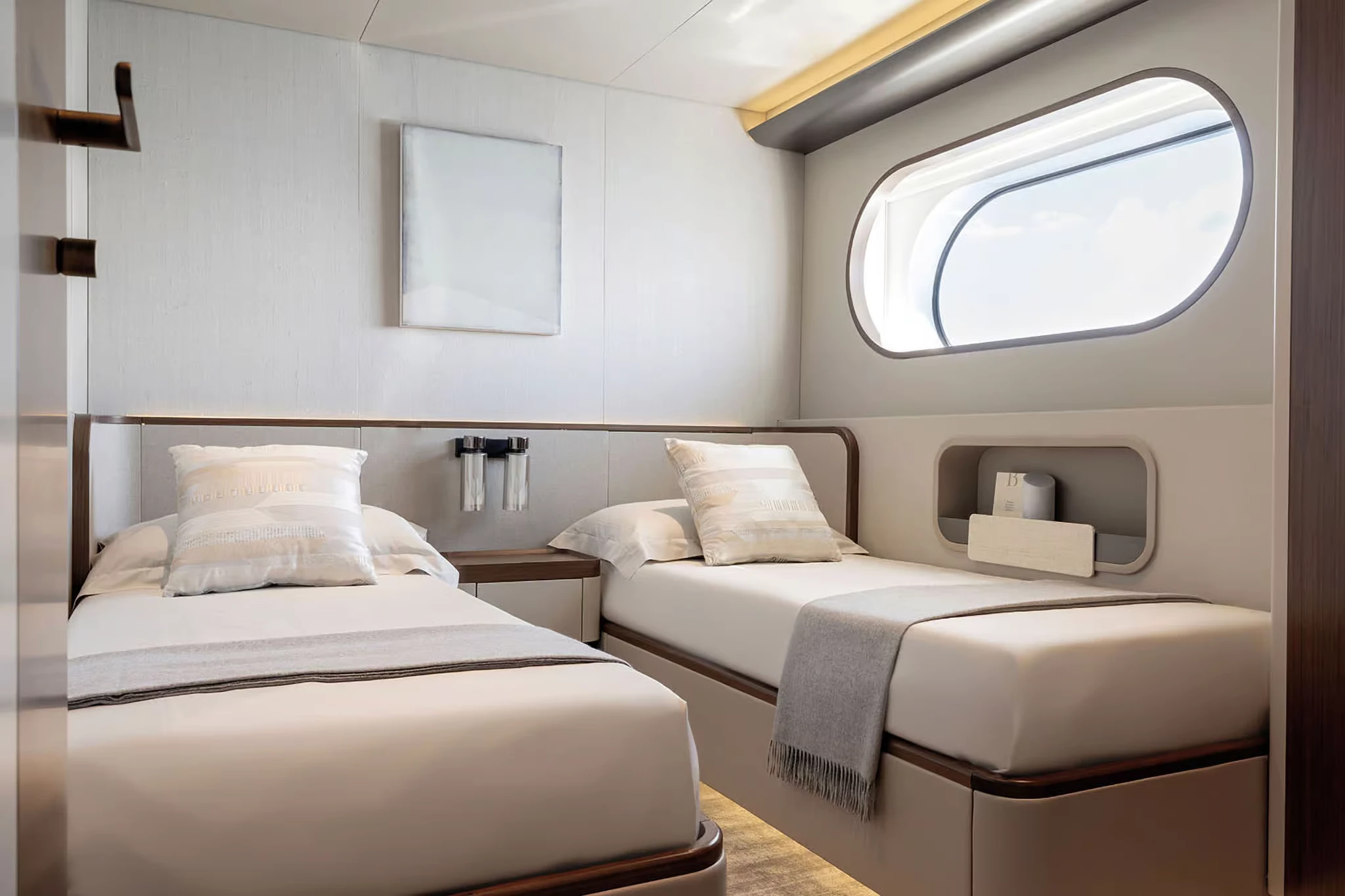
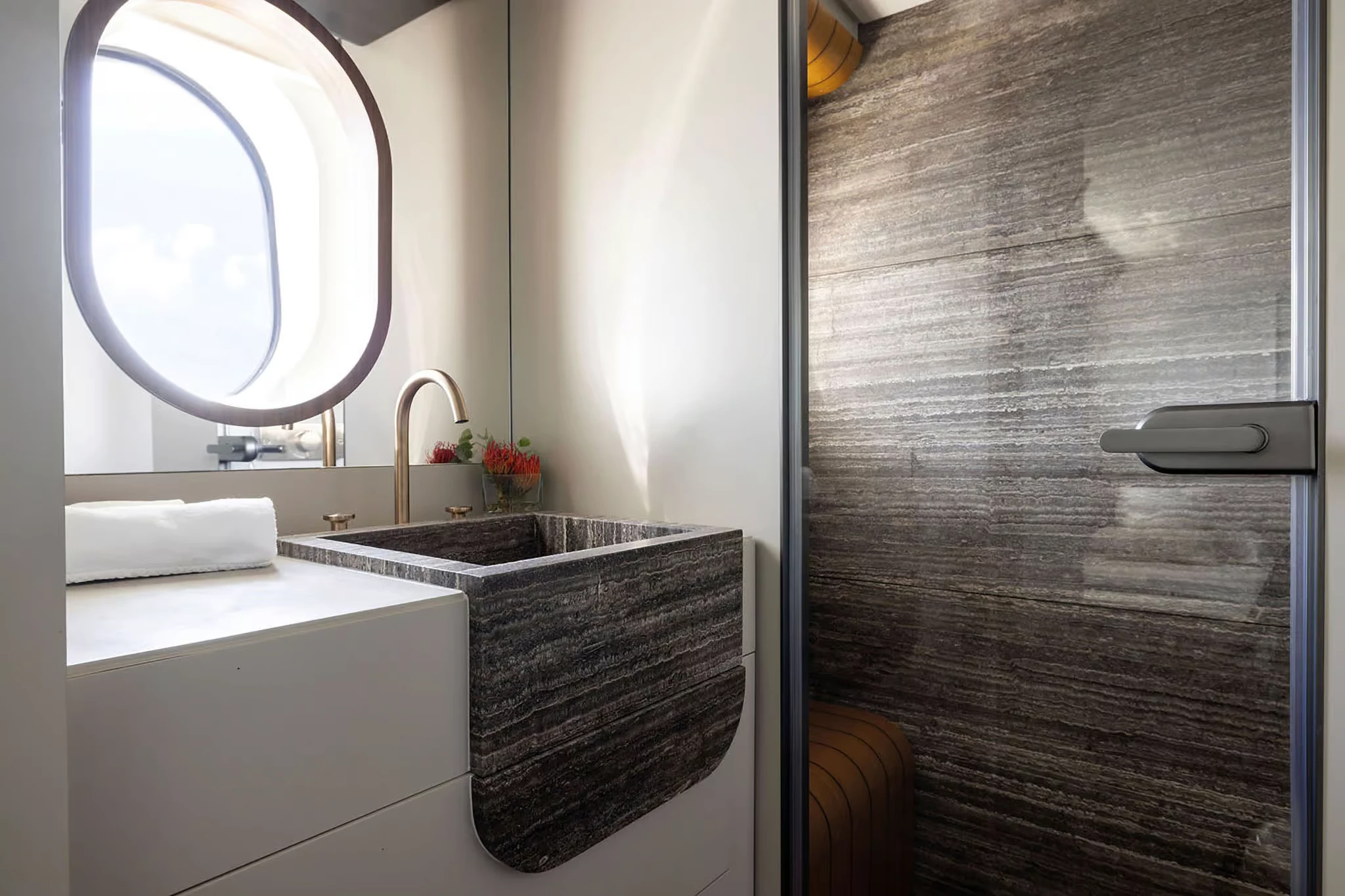
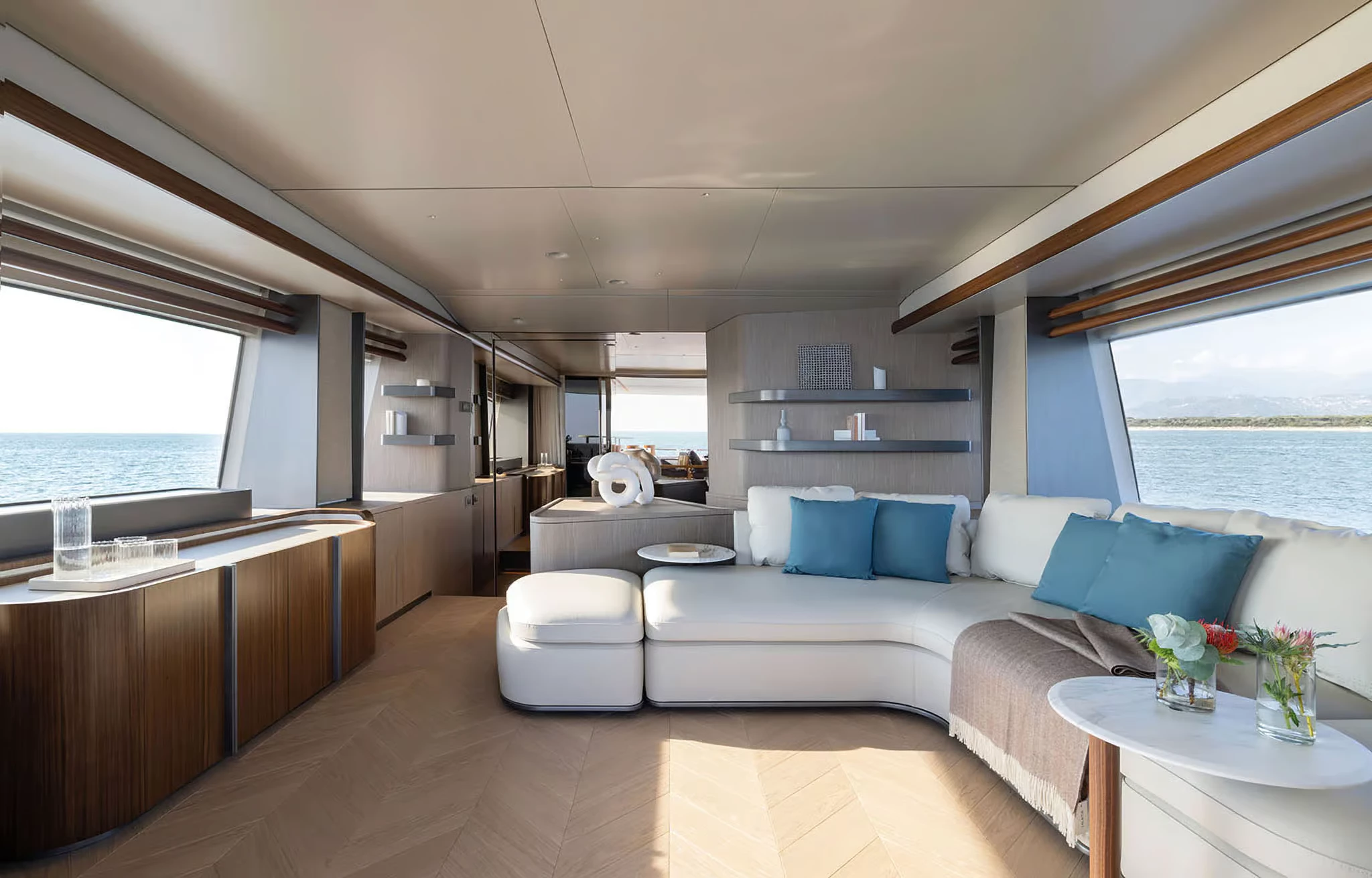
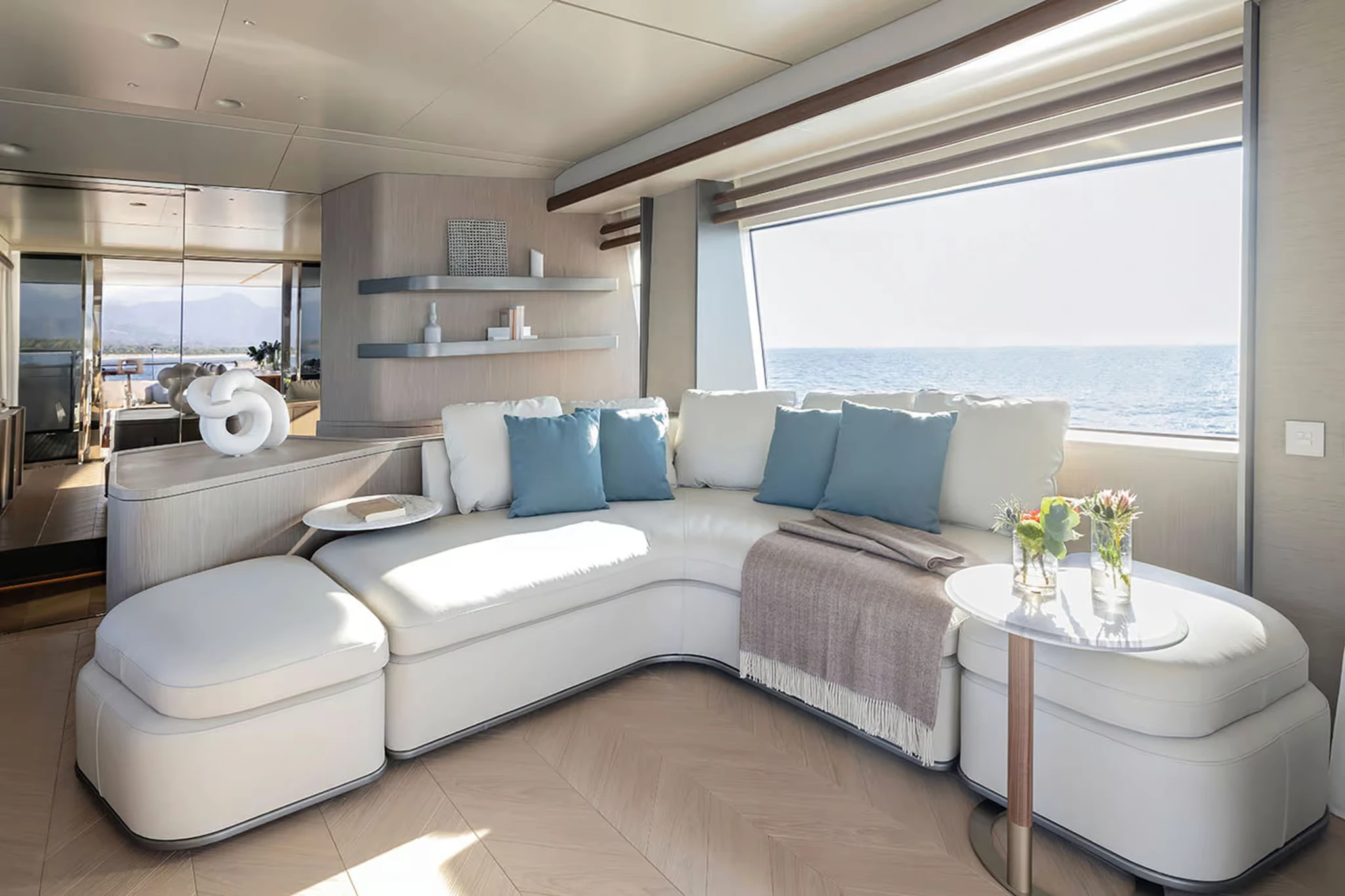
One of the defining features of the 30 M is its sense of space. The exterior profile emphasizes large windows and glass surfaces, flooding the interior with light while maintaining a sleek, modern line. The main deck often includes a full-beam owner’s suite forward, a layout usually reserved for larger yachts, giving owners private panoramic views and direct access to the sea. Guest accommodation includes four additional cabins, offering berths for up to ten, while three dedicated crew cabins ensure that service and operations remain discreet and professional.
Technically, the yacht has been designed for both comfort and sustainability. Stabilizers provide smooth running both at sea and at anchor, while Azimut’s “Hotel Mode” battery system allows for silent, emission-free operation of onboard services for extended periods without running generators. This approach enhances the experience at anchor and underscores the builder’s focus on reducing environmental impact. With a fuel capacity of 14,500 liters, the Magellano 30 M is capable of voyages of around 500 nautical miles at a comfortable cruising speed, giving owners real freedom to roam.
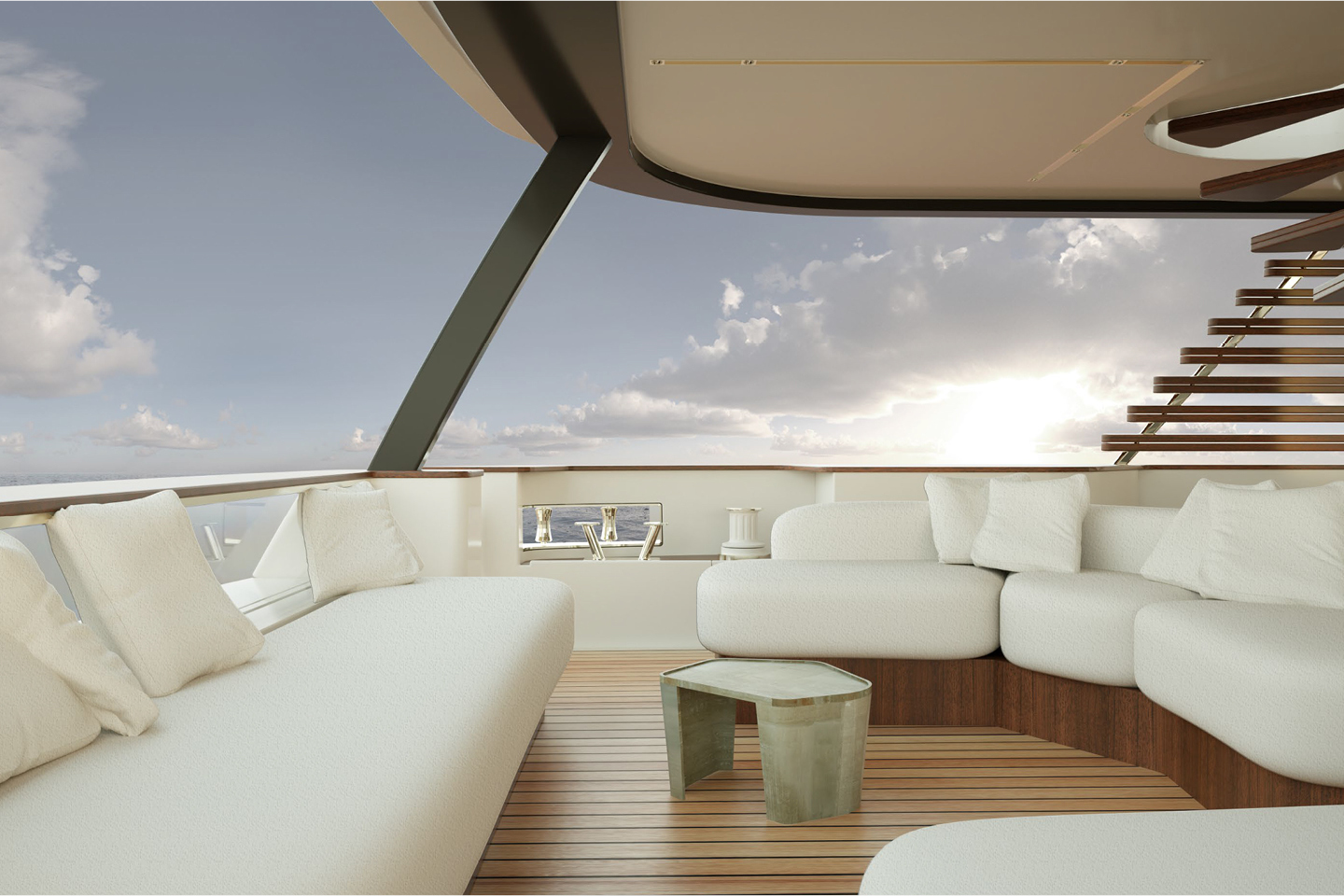
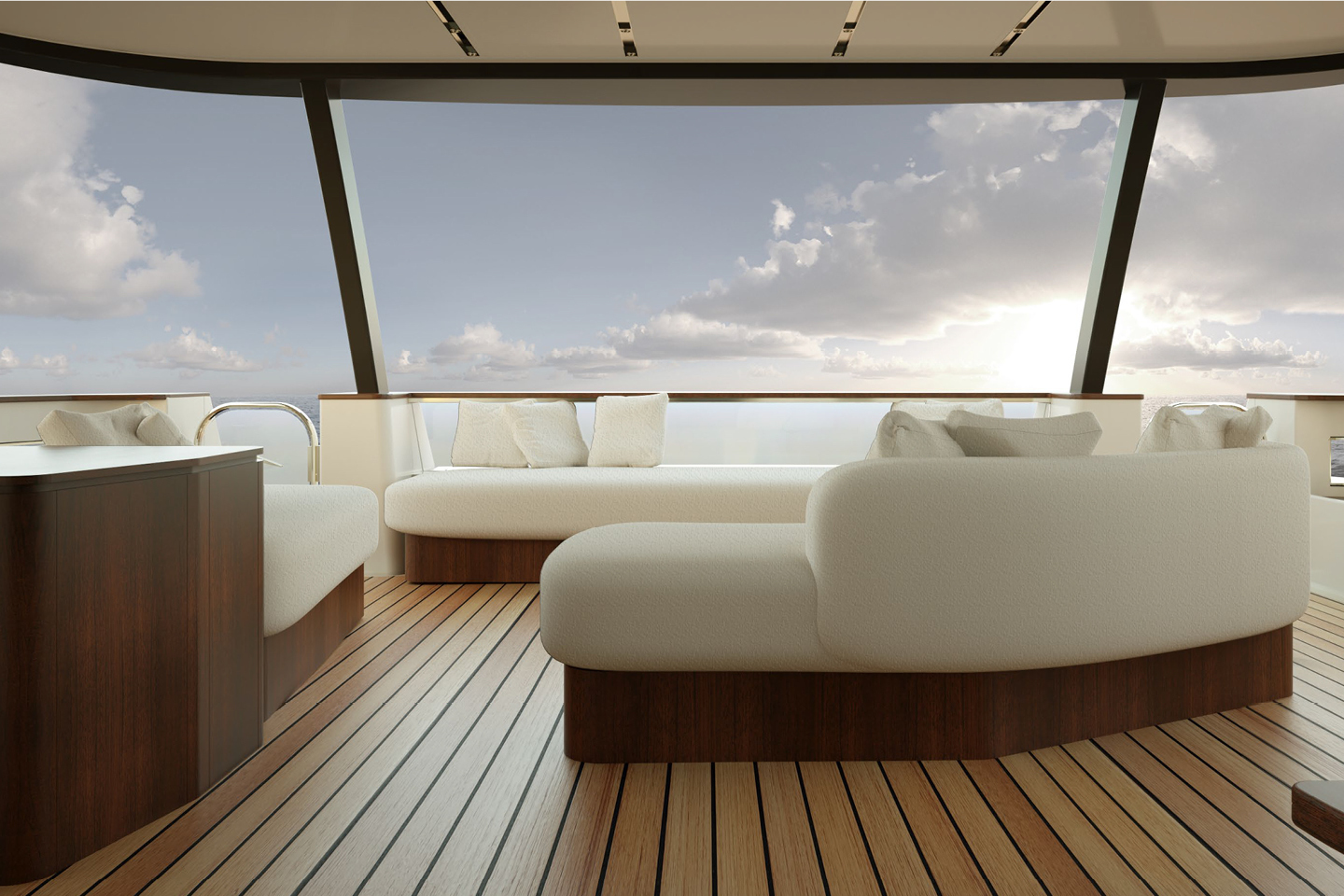
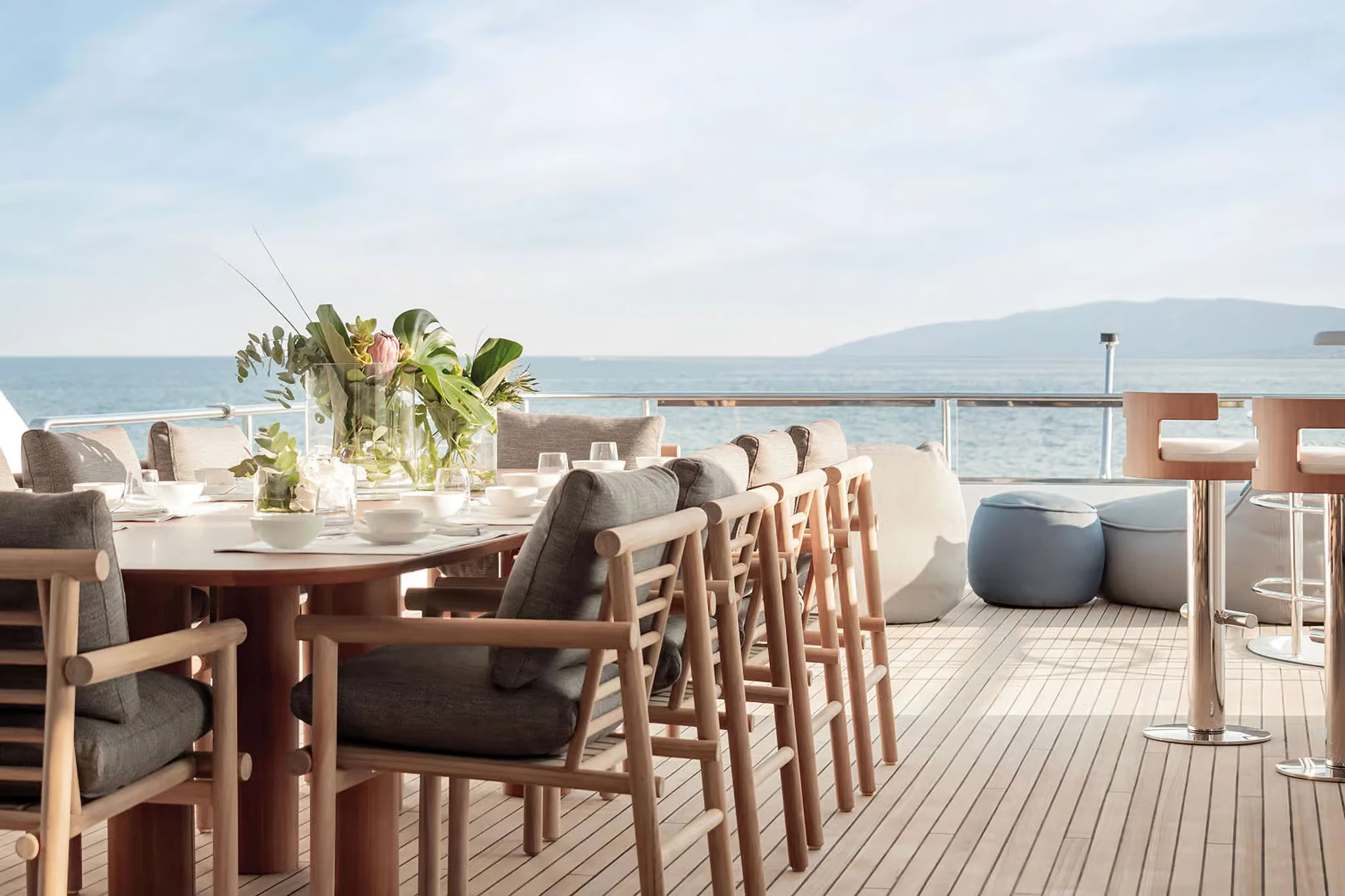
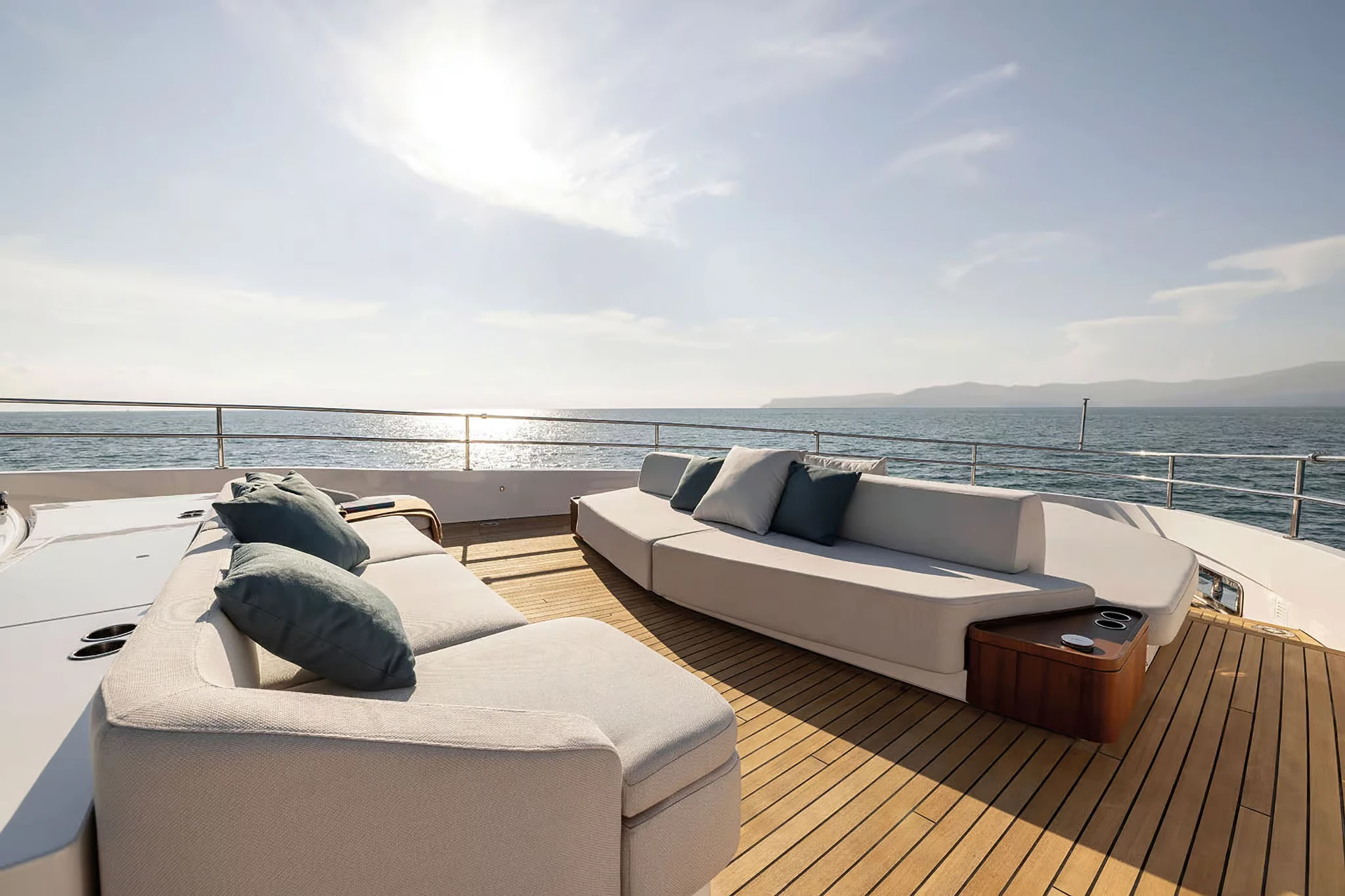
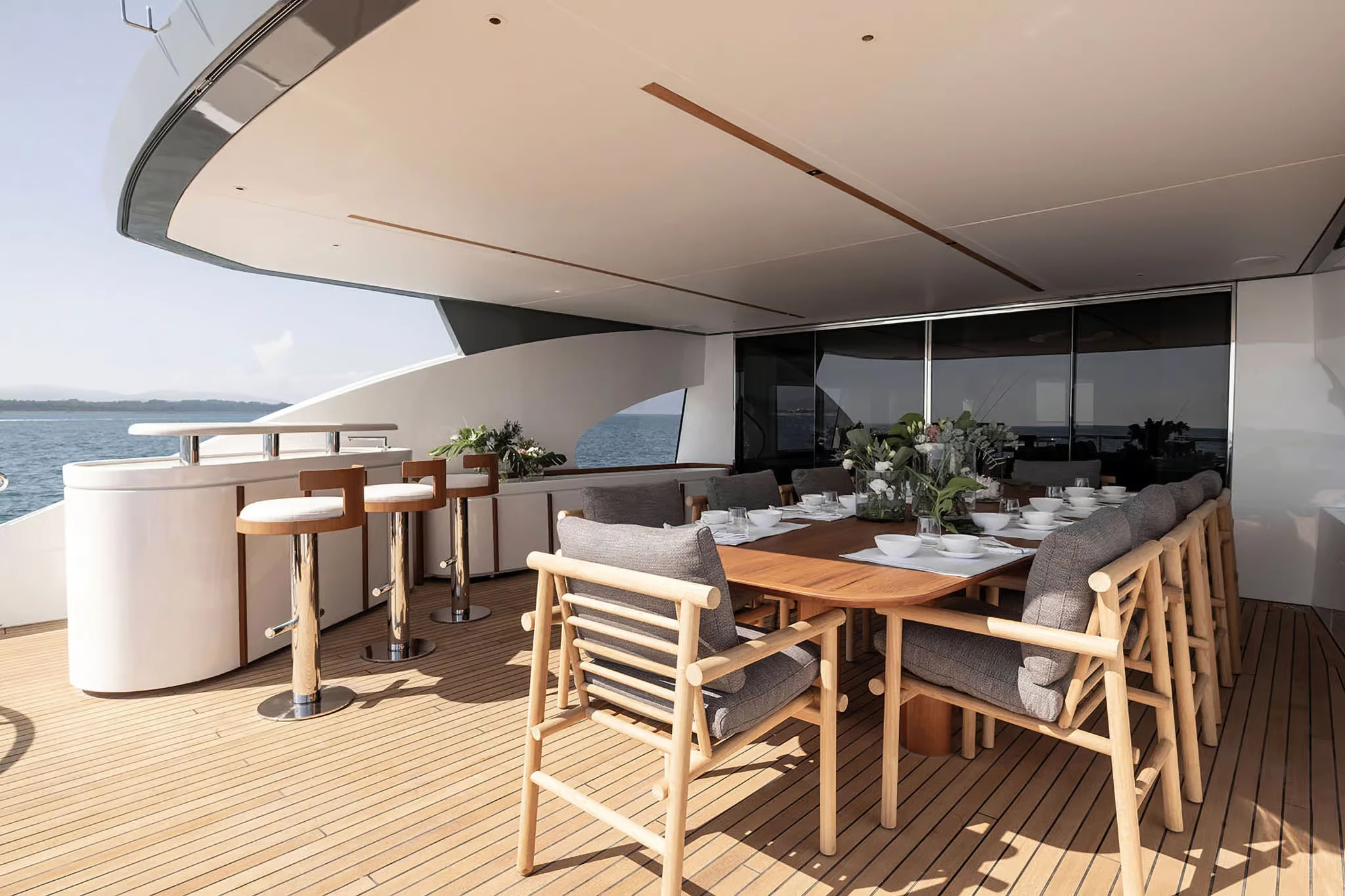
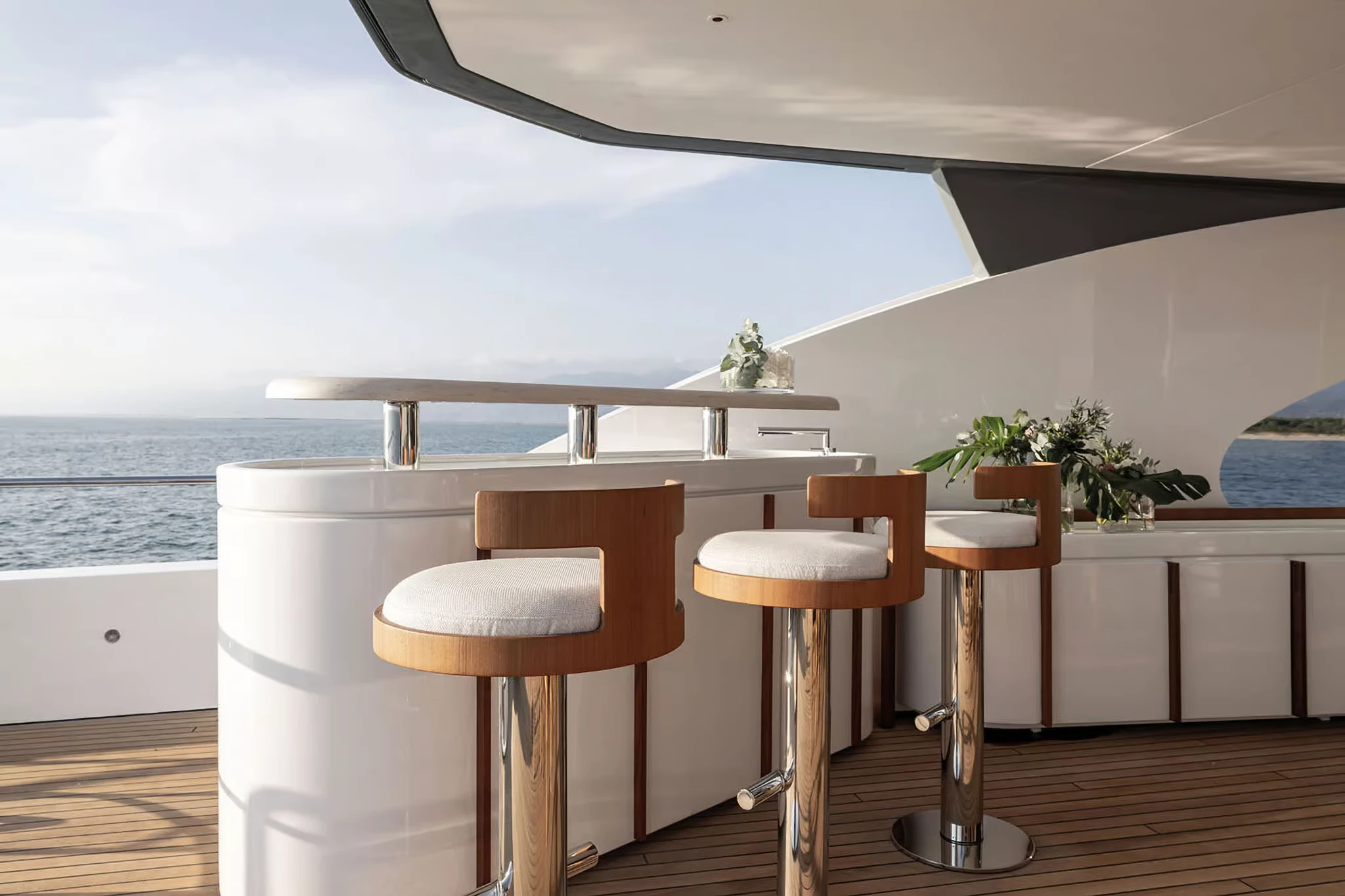
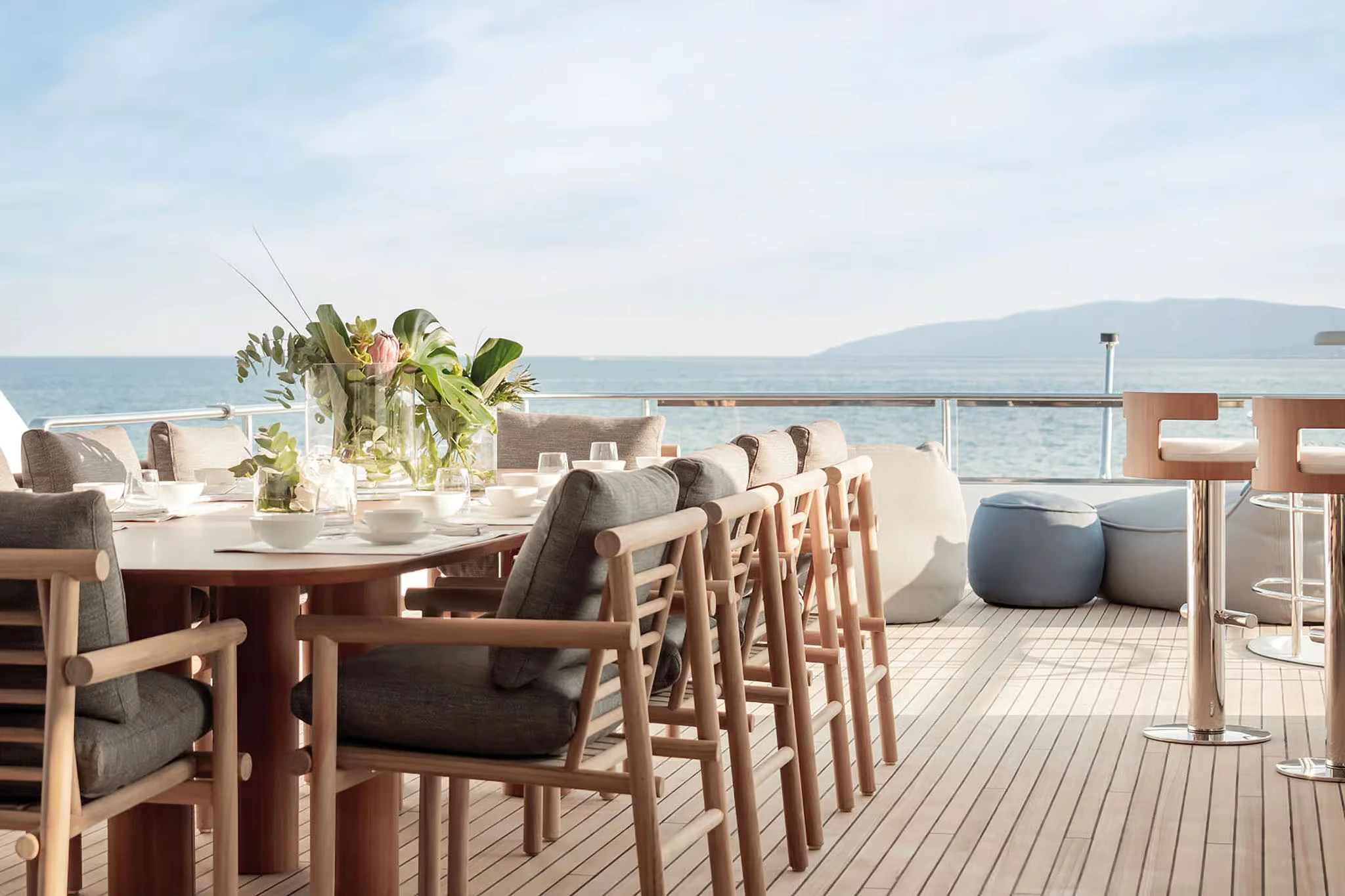
On deck, multiple relaxation and entertainment areas are thoughtfully arranged: an expansive flybridge for dining and sunbathing, a foredeck lounge with adaptable seating, and a beach club with a hydraulic swim platform and tender garage. Each area has been designed with the same balance of functionality and elegance that defines the yacht as a whole.
Altogether, the Magellano 30 M combines range, efficiency, and contemporary luxury in a yacht that feels equally at home crossing open waters or hosting guests in a secluded anchorage. It is a vessel that reflects Azimut’s dedication to innovation and craftsmanship, offering a refined cruising experience for those who want to travel further without sacrificing comfort or style.
Azimut Magellano 30M — Full Specifications |
|
|---|---|
| Model | Azimut Magellano 30M |
| Project Announcement | 2023 |
| Launch Date | 2024 |
| Public Debut | Cannes Yachting Festival 2024 |
Dimensions & Construction |
|
| Length Overall (LOA) | 29.63 m (97′ 3″) |
| Beam Max | 7.06 m (23′ 2″) |
| Draft (full load) | 2.03 m (6′ 8″) |
| Displacement (full load) | Approx. 130 t |
| Gross Tonnage | Approx. 199 GT |
| Hull Type | Dual Mode semi-planing hull |
| Construction Material | GRP with carbon-fibre reinforcement |
| Certification | CE Category A |
Design & Builder |
|
| Builder | Azimut Yachts |
| Exterior Designer | Ken Freivokh |
| Interior Designer | Vincenzo De Cotiis |
| Naval Architecture | P.L. Ausonio Naval Architecture & Azimut R&D |
Accommodation |
|
| Guest Cabins | 5 cabins |
| Guest Berths | 10 guests |
| Crew Cabins | 3 crew cabins |
| Total Berths | 16 persons including crew |
| Heads / Bathrooms | 6 guest heads + crew facilities |
| Owner’s Suite | Main-deck full-beam owner’s suite with panoramic glazing |
Propulsion & Performance |
|
| Engines | 2 × MAN V12 — 1,550 hp each |
| Maximum Speed | Approx. 20 knots |
| Cruising Speed | Approx. 16–18 knots |
| Range | Approx. 1,000+ nmi at economical cruising speed |
Capacities |
|
| Fuel Capacity | 14,500 litres (≈ 3,830 US gal) |
| Fresh Water Capacity | 2,000 litres (≈ 528 US gal) |
Technology & Sustainability |
|
| Hull Efficiency | Dual Mode hull optimized for both displacement and higher-speed cruising |
| Stabilization | Advanced fin stabilization systems |
| Energy Systems | Reduced-emission systems and energy-efficient onboard architecture |
| Construction Technology | Carbon-fibre reinforcement for improved efficiency and reduced weight |
Notable Features |
|
|
|